INTRODUCTION
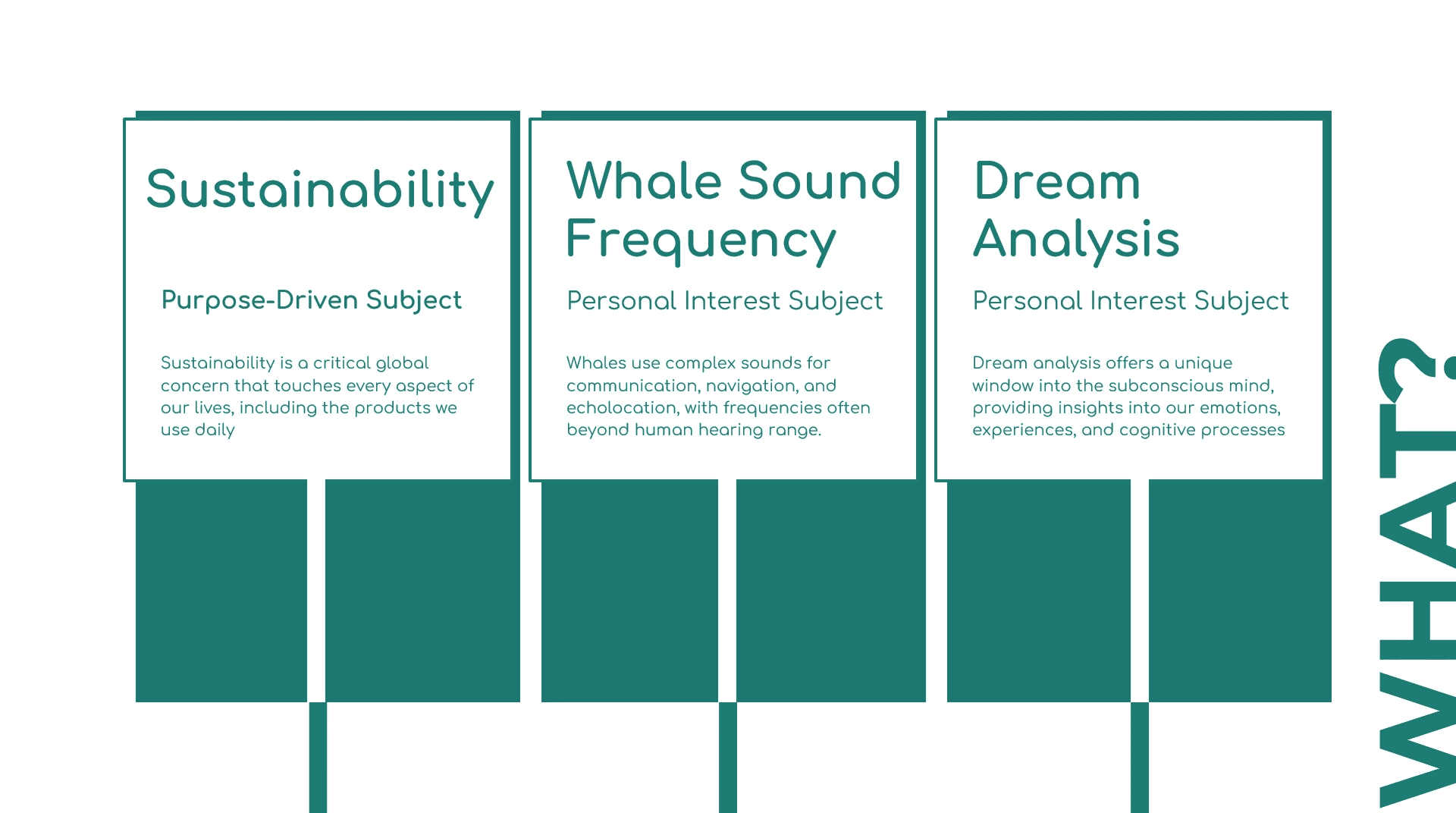
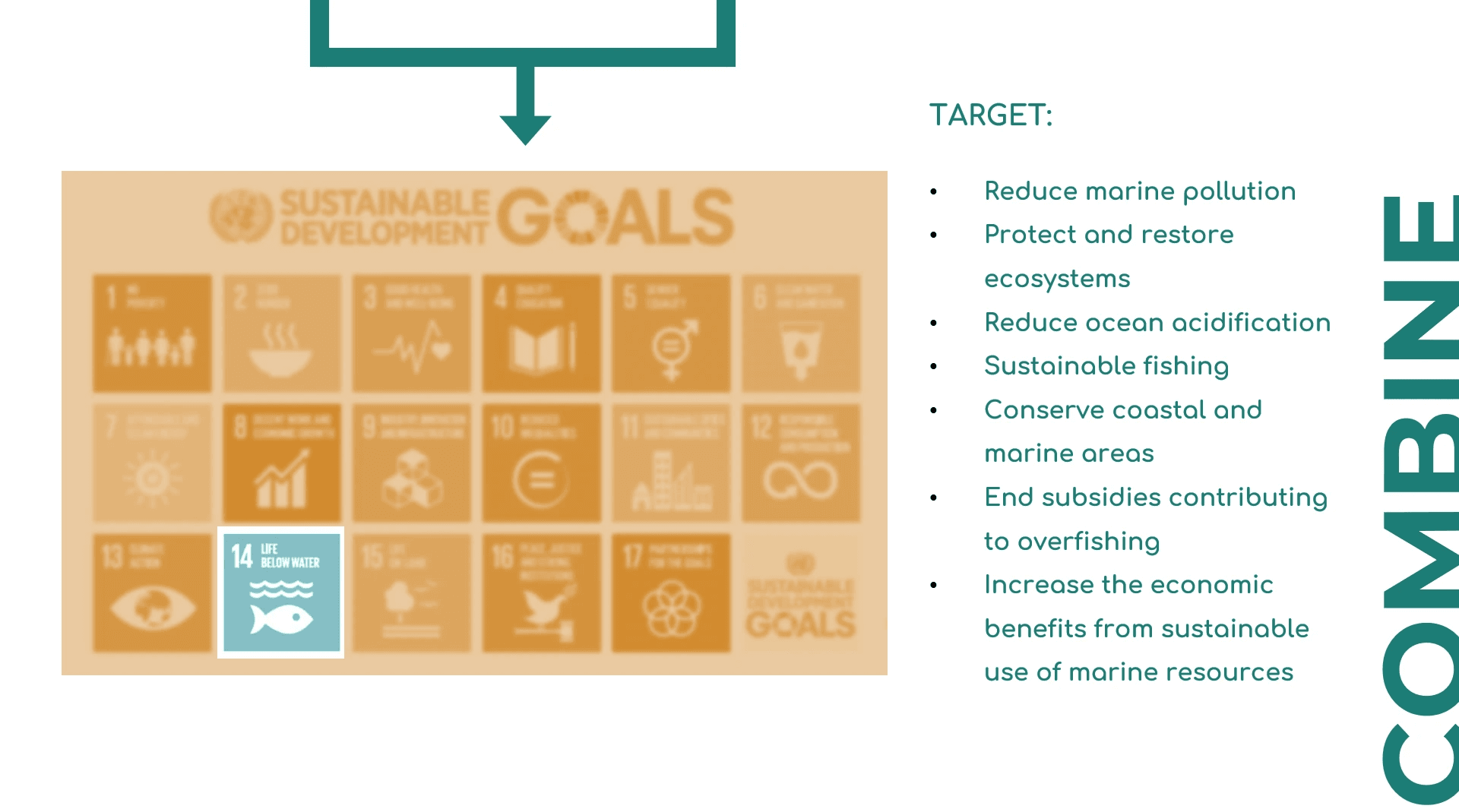
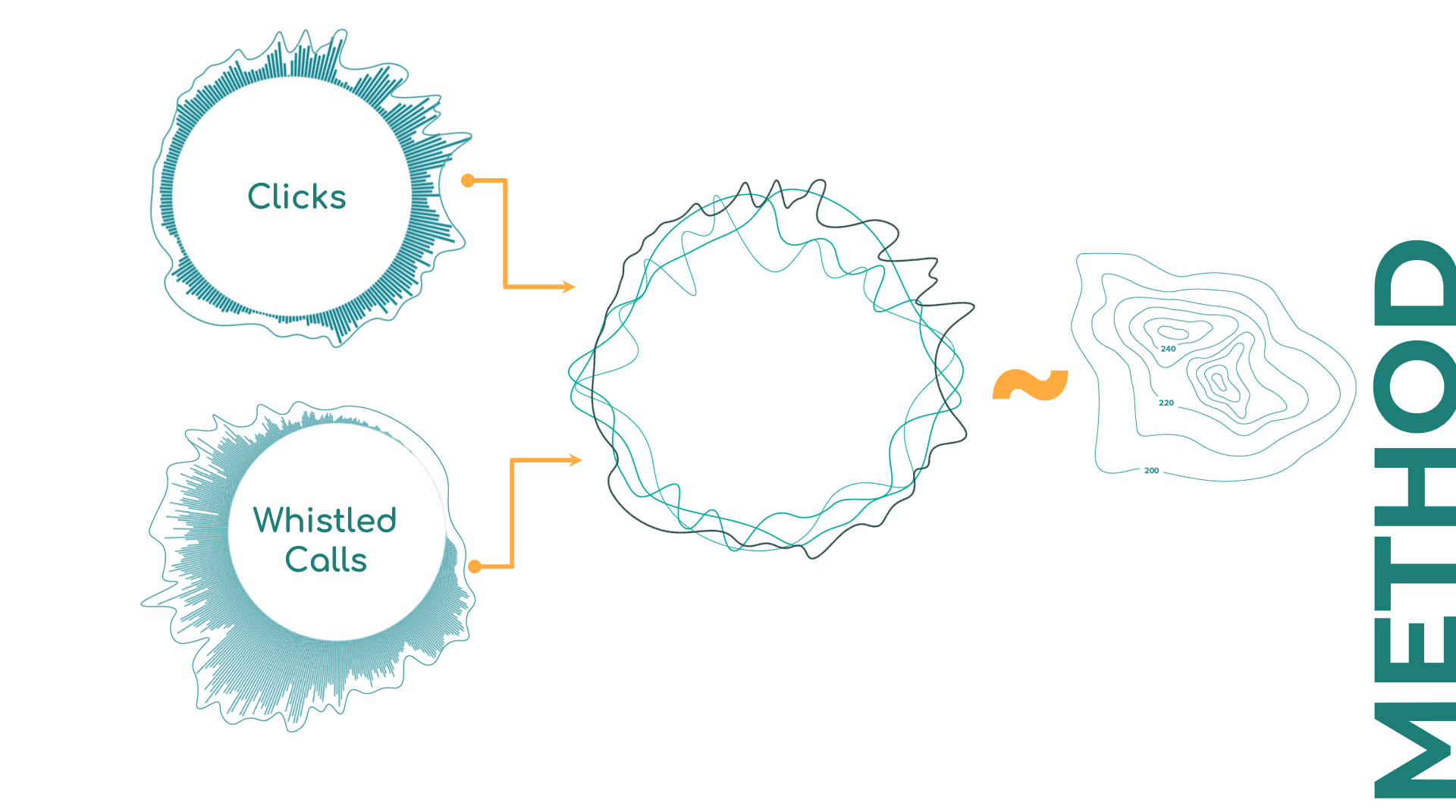
This project explores the intersection of sustainability, sound frequency (specifically whale vocalizations), and dream analysis through visual mapping and innovative design methodologies. It aims to translate complex scientific and psychological concepts into accessible and engaging visual representations, fostering awareness and understanding.
MY ROLE
UX Designer
TIMELINE
16 weeks
THE TEAM
Individual project (First-year UX coursework)
TOOLS USED
Figma, Adobe Illustrator, Adobe Photoshop, Pen & Paper, Audio Analysis Software
PROJECT BACKGROUND
This project was undertaken as part of a design exploration, focusing on how different subjects can be visualized using various methods. The project involved research into each subject area, experimentation with different visualization techniques, and the development of a cohesive design approach.
Why this matters?: As one of my early UX projects, this work represents a turning point in how I approached design. It taught me how to work with ambiguity, synthesize interdisciplinary research, and use visual systems to communicate meaning, skills that continue to shape my design process today.
WHAT I SET OUT TO LEARN
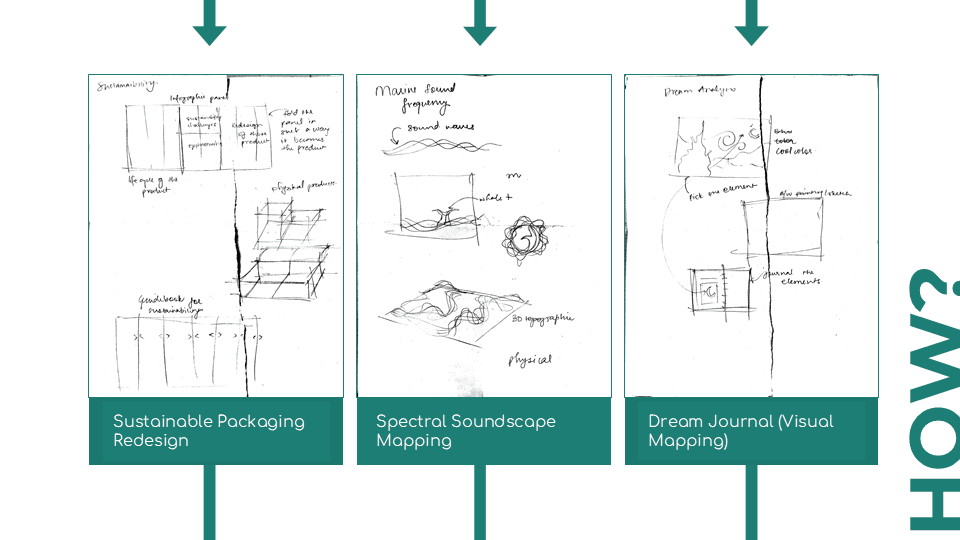
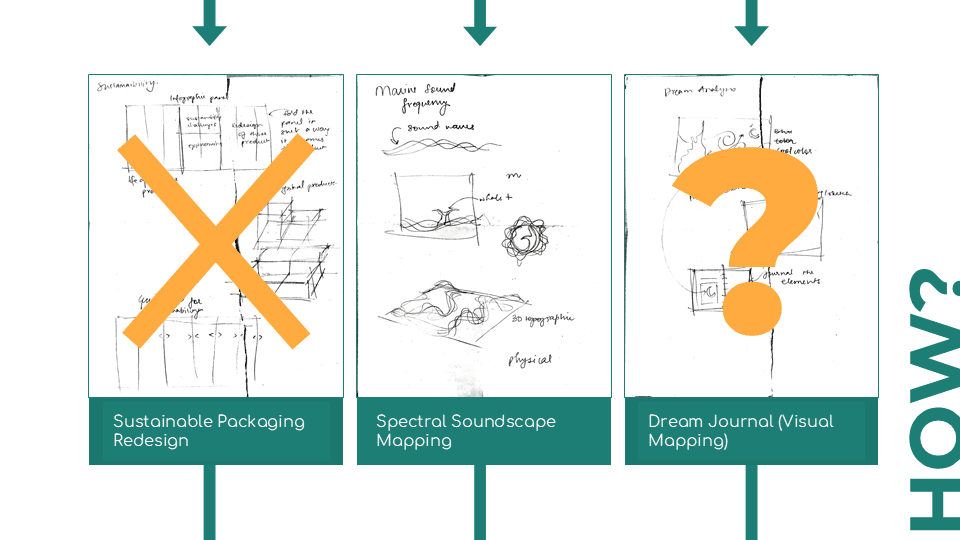
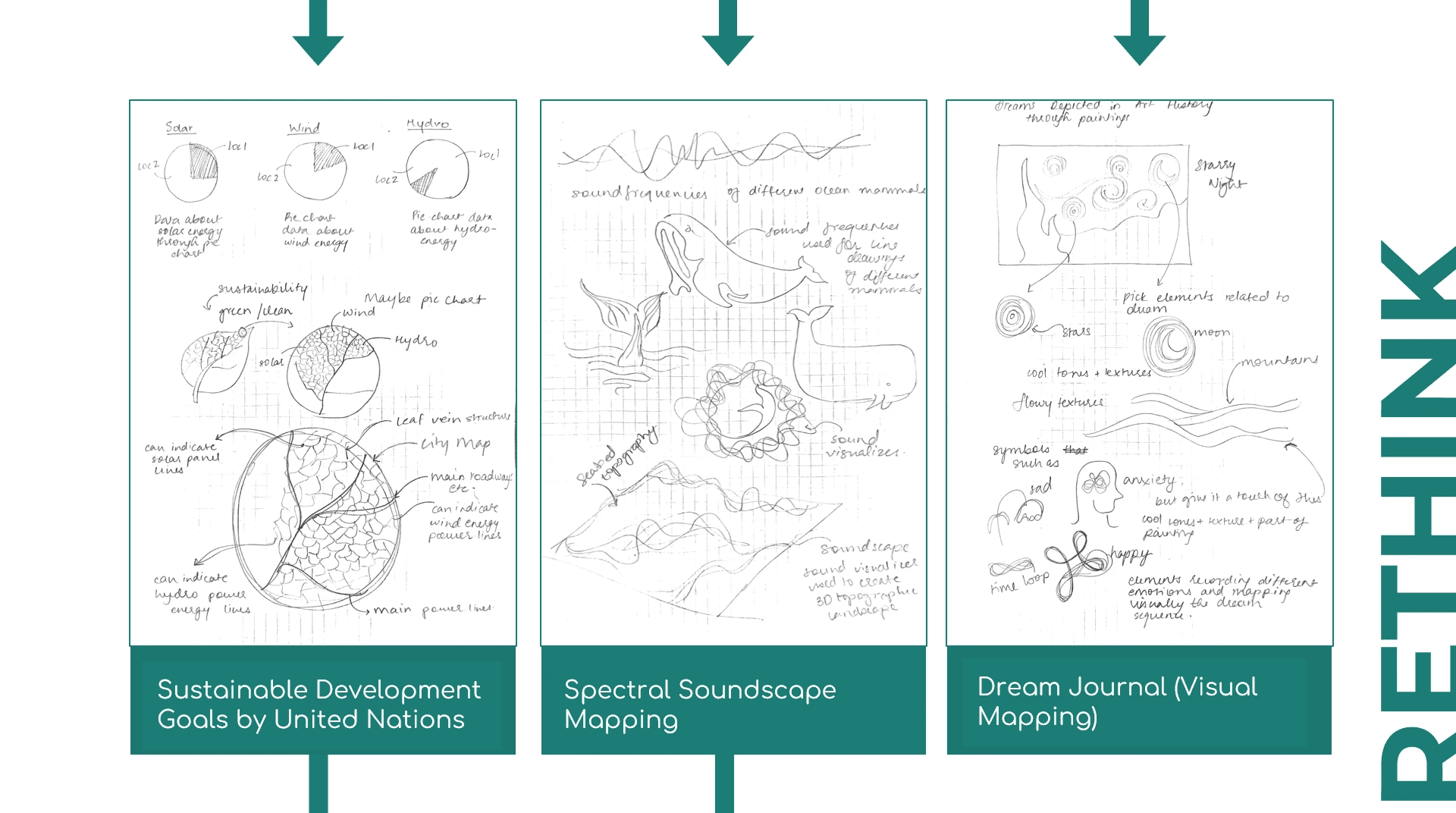
Because of the project’s open-ended nature, I relied heavily on a design thinking framework to structure my process and avoid losing focus. My approach included:
Researching each subject area independently
Identifying patterns, metaphors, and emotional cues
Experimenting with visual forms rather than fixed UI patterns
Iterating through sketches, frames, and layered compositions
The framework helped me stay grounded in intent rather than aesthetics alone.
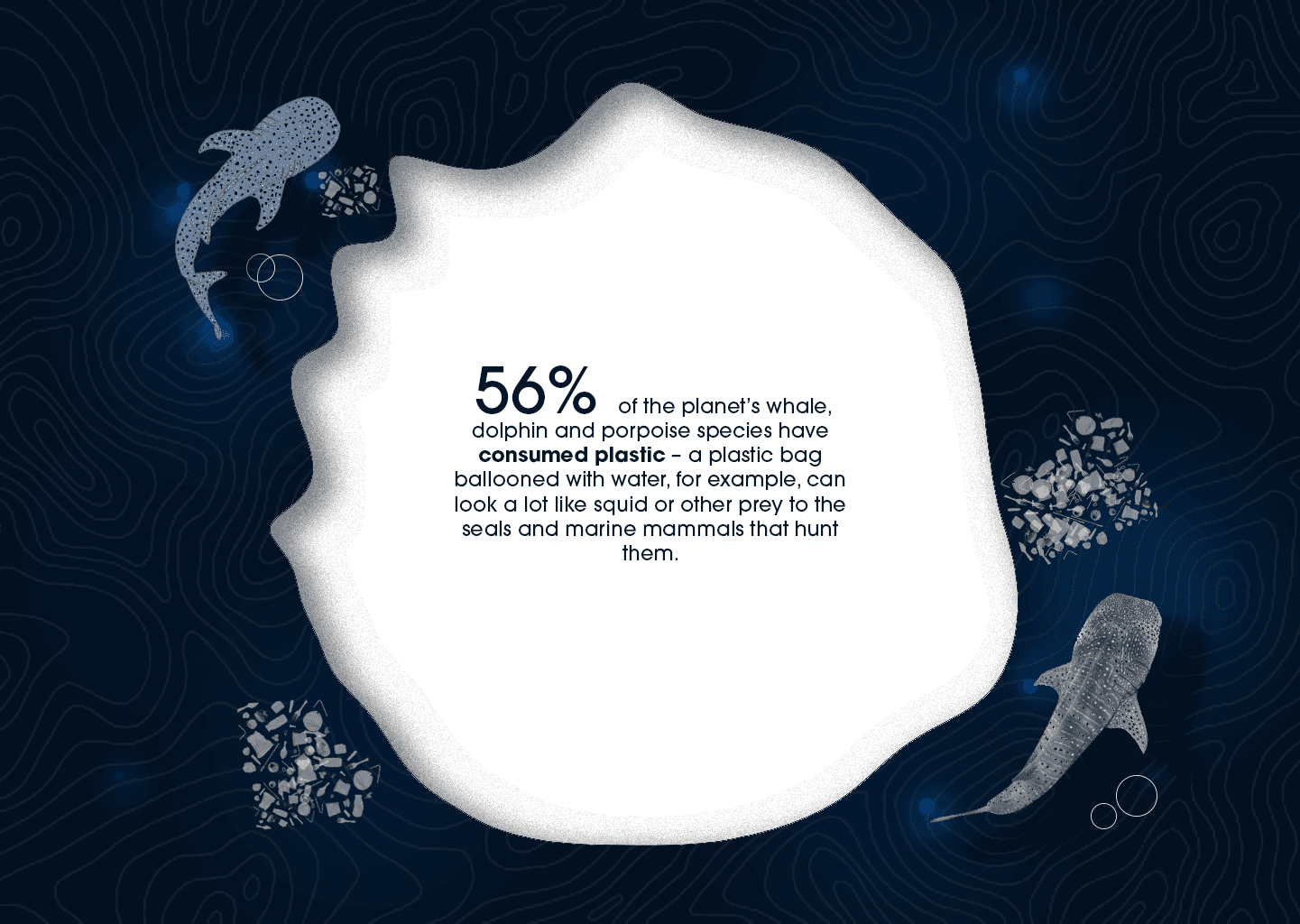
INITIAL WEBSITE DESIGN FRAMES
FRAME LAYER 1
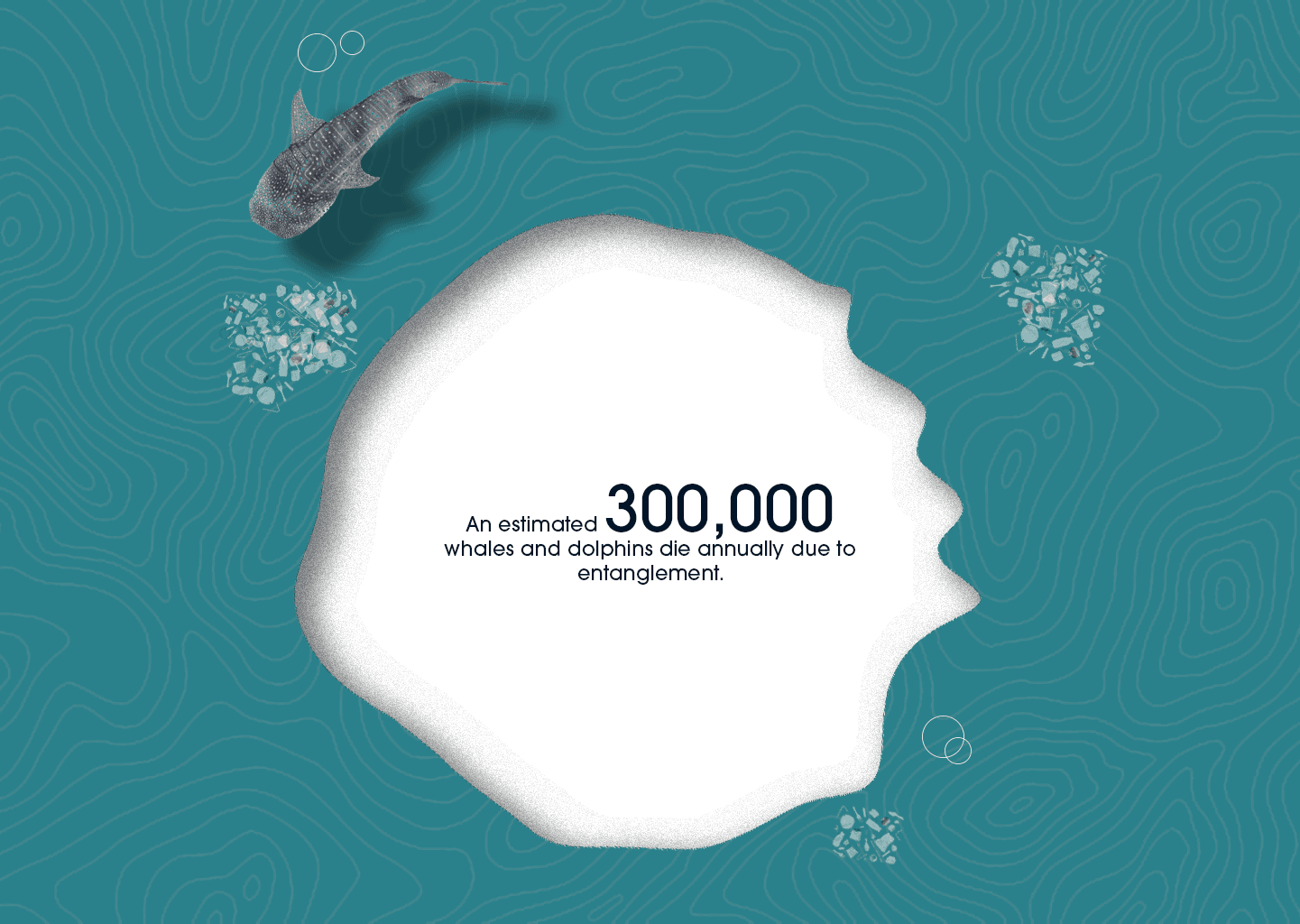
FRAME LAYER 2
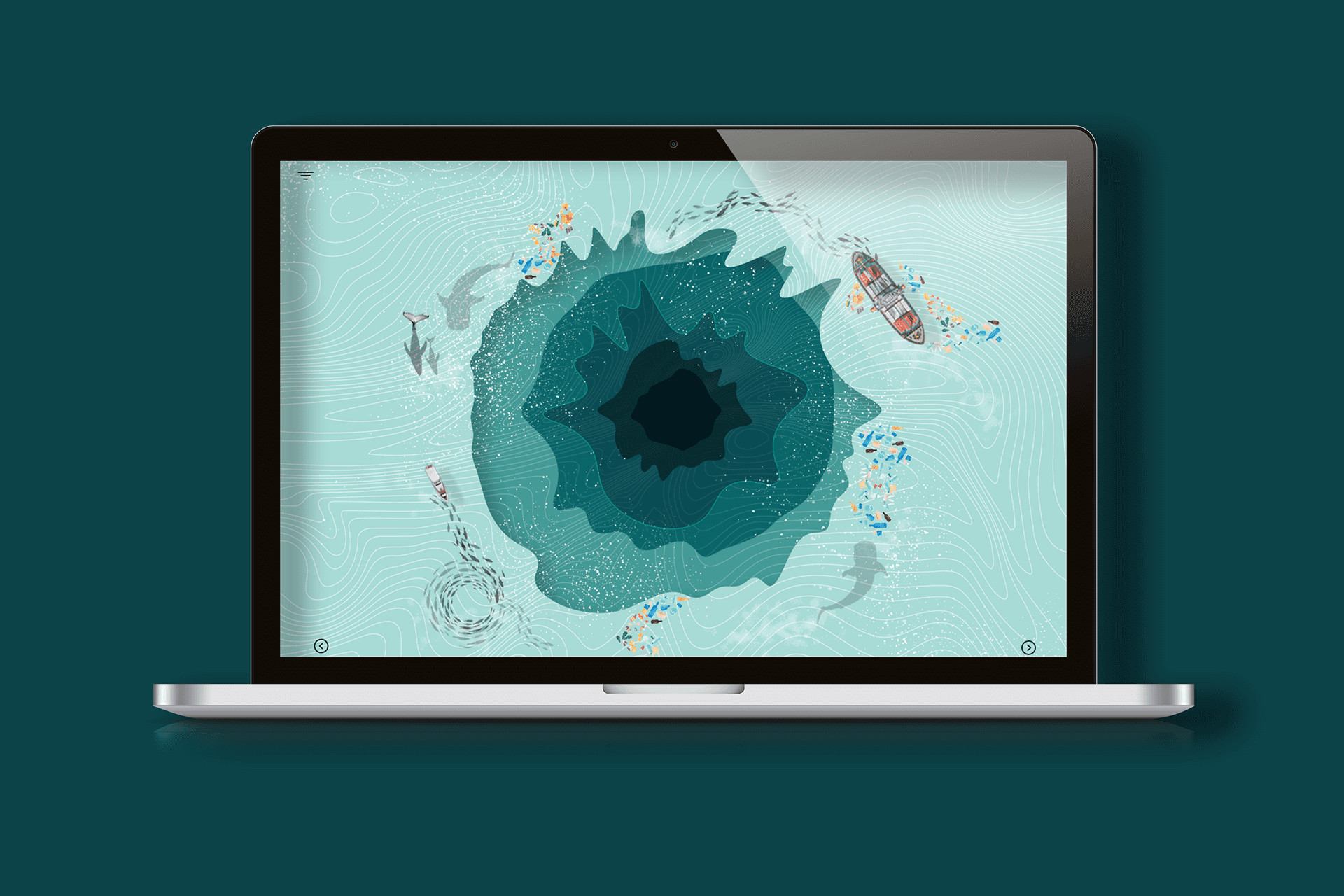
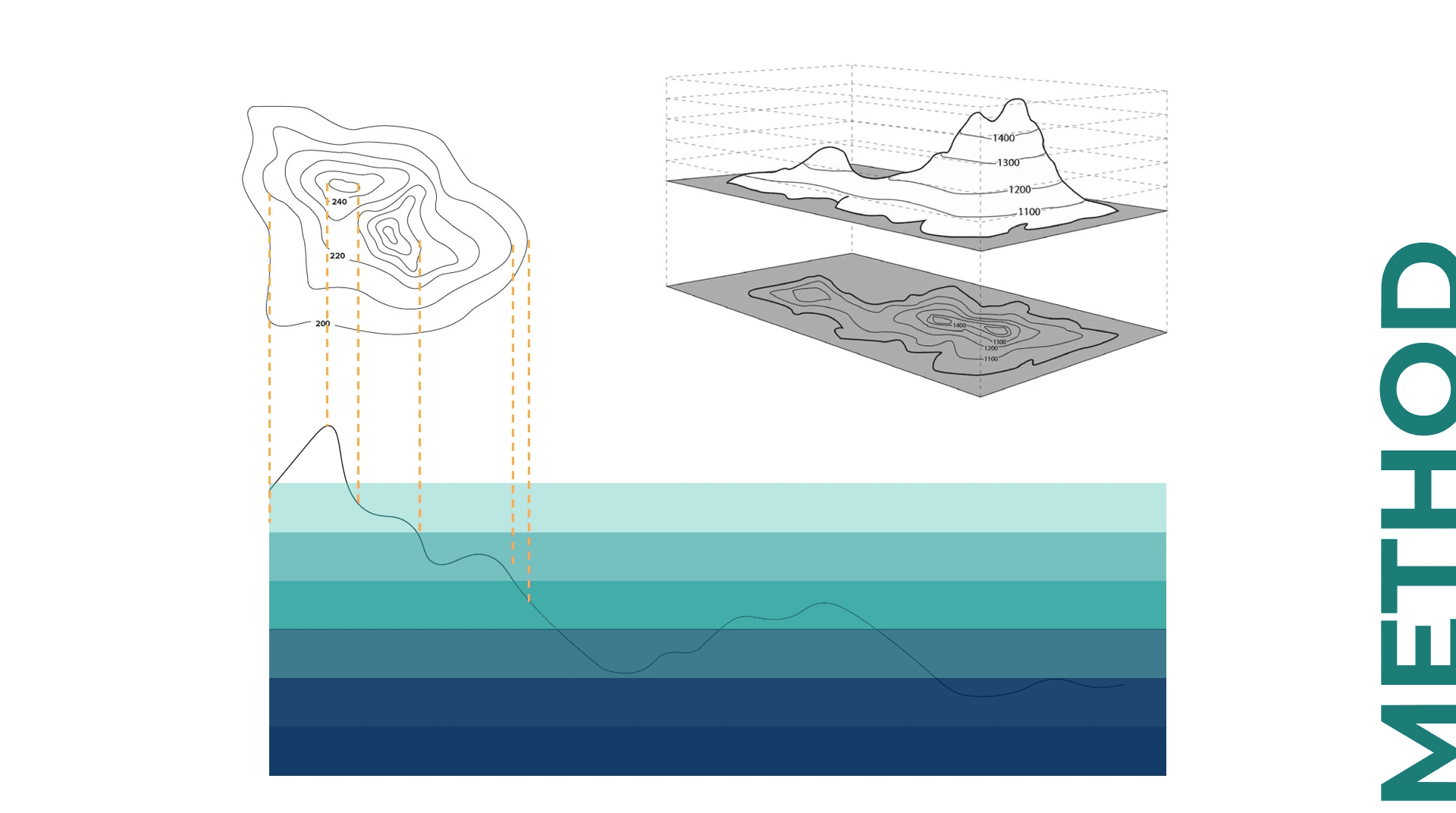
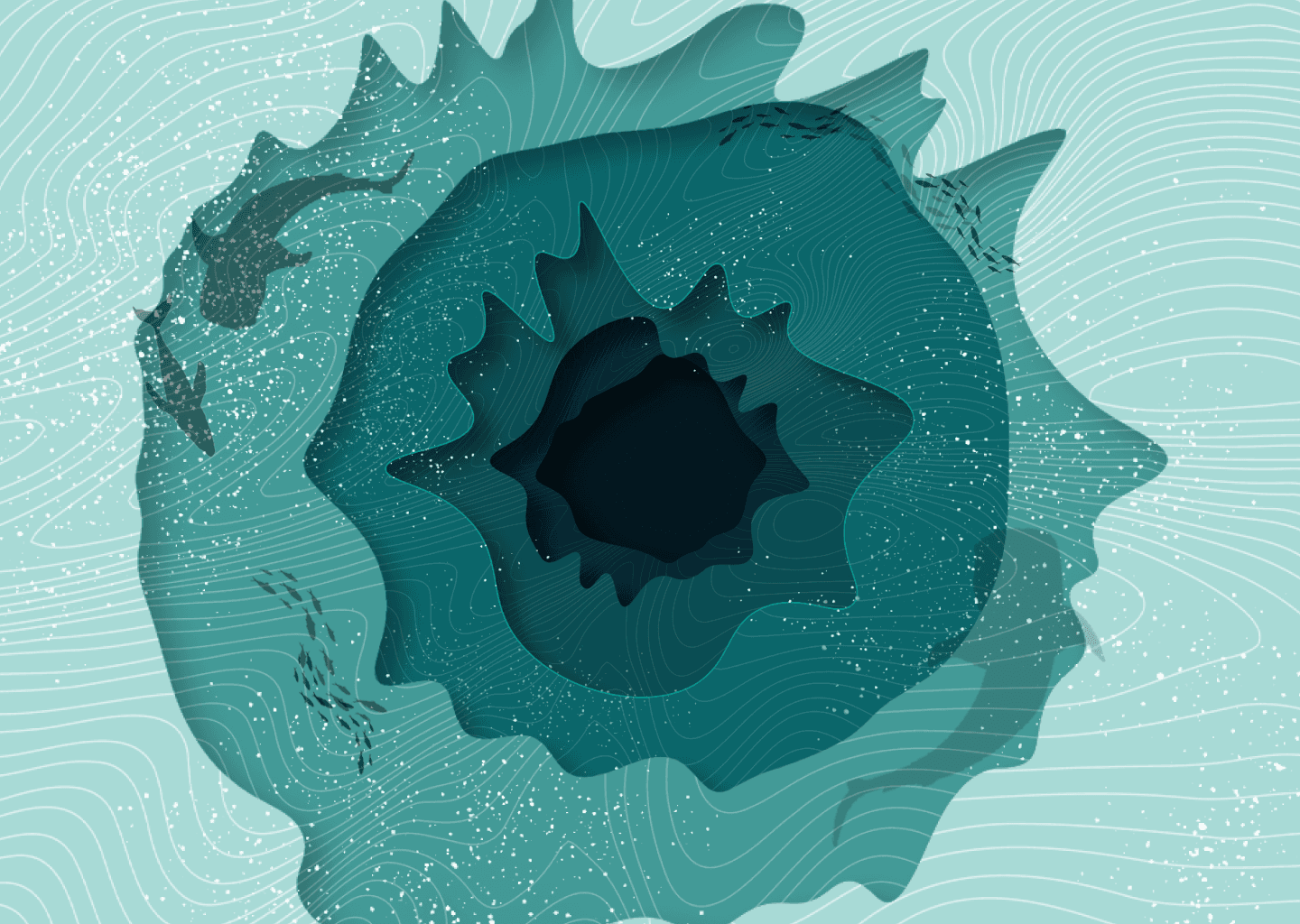
where the outline of the sea topography is inspired by whale sound recordings. Illustrations of whales with plastic can also be seen demonstrating the message clearly.
where the population of whale can be seen decreasing.
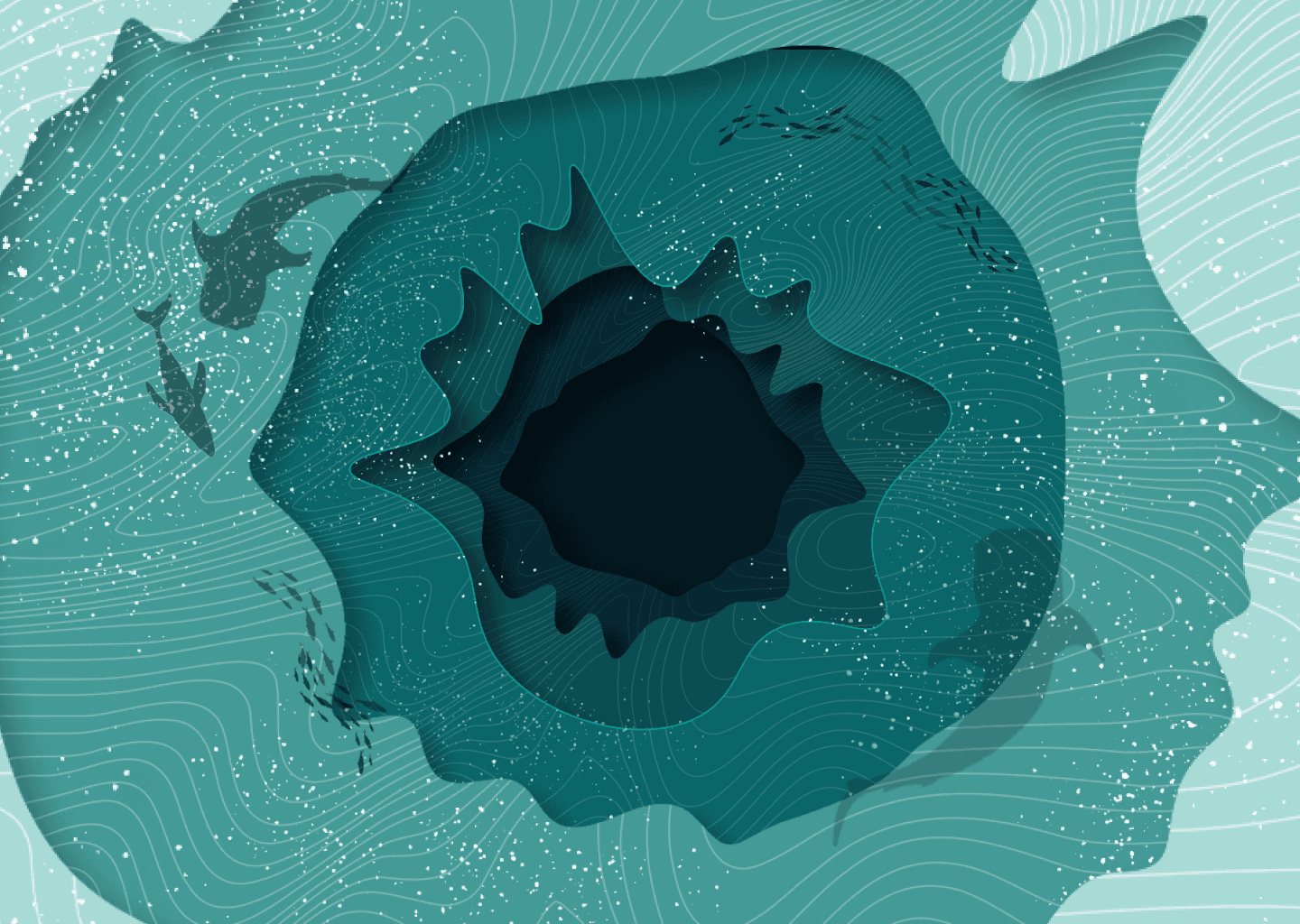
FINAL WEBSITE DESIGN FRAMES
FRAME LAYER 3
FRAME LAYER 4
FINAL PROTOTYPE
LEARNINGS
This project represents an early stage in my UX journey, where I was learning how to translate abstract concepts into structured design systems. While it is not a traditional product case study, it laid the foundation for how I now approach UX problems—by asking better questions, exploring multiple perspectives, and designing with intention rather than assumptions.
WHAT I’D DO NEXT
I would explore transforming this conceptual system into an interactive learning experience, testing how motion, layering, and user control could deepen understanding while keeping the design approachable and inclusive.