INTRODUCTION
A community-focused exhibit designed to translate complex groundwater systems into accessible, engaging visual narratives that empower residents to understand and protect their local water resources.
MY ROLE
Visual Systems Lead · Exhibit UX Designer · Environmental Data Visualization
TIMELINE
20 weeks
THE TEAM
Arizona Water Innovation Inititative team
TOOLS USED
Adobe Illustrator, Adobe Photoshop, Adobe Indesign, Figma, SketchUp, Enscape
THE CHALLENGE OF INVISIBLE SYSTEMS
Groundwater is essential to Black Canyon City, yet it remains largely invisible and difficult for residents to understand. Complex concepts like aquifers, contamination, and water demand are often fragmented or overly technical, limiting community awareness and engagement.
Why this matters?: When essential systems remain invisible, users disengage. Clear, intuitive visual design reduces cognitive load, builds trust, and enables informed environmental decision-making.
WHAT I SET OUT TO LEARN
Rather than starting with visuals, I framed the work around three guiding questions:
How do residents currently understand where their water comes from and how it is managed?
Which representations (visual, spatial, conversational) most effectively support comprehension and trust?
What misconceptions or gaps prevent residents from engaging with water conservation practices?
RESEARCH & EVALUATION
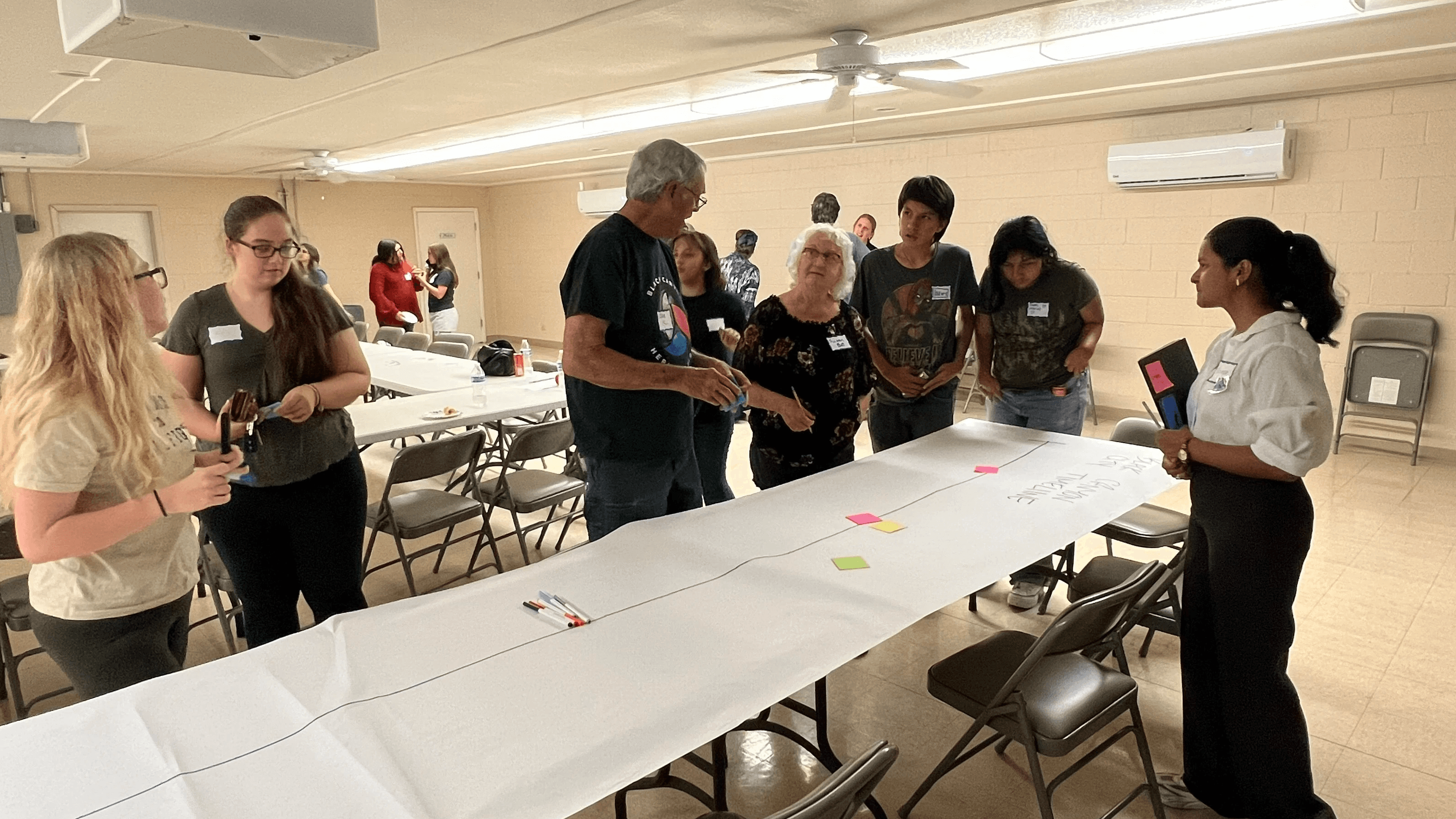
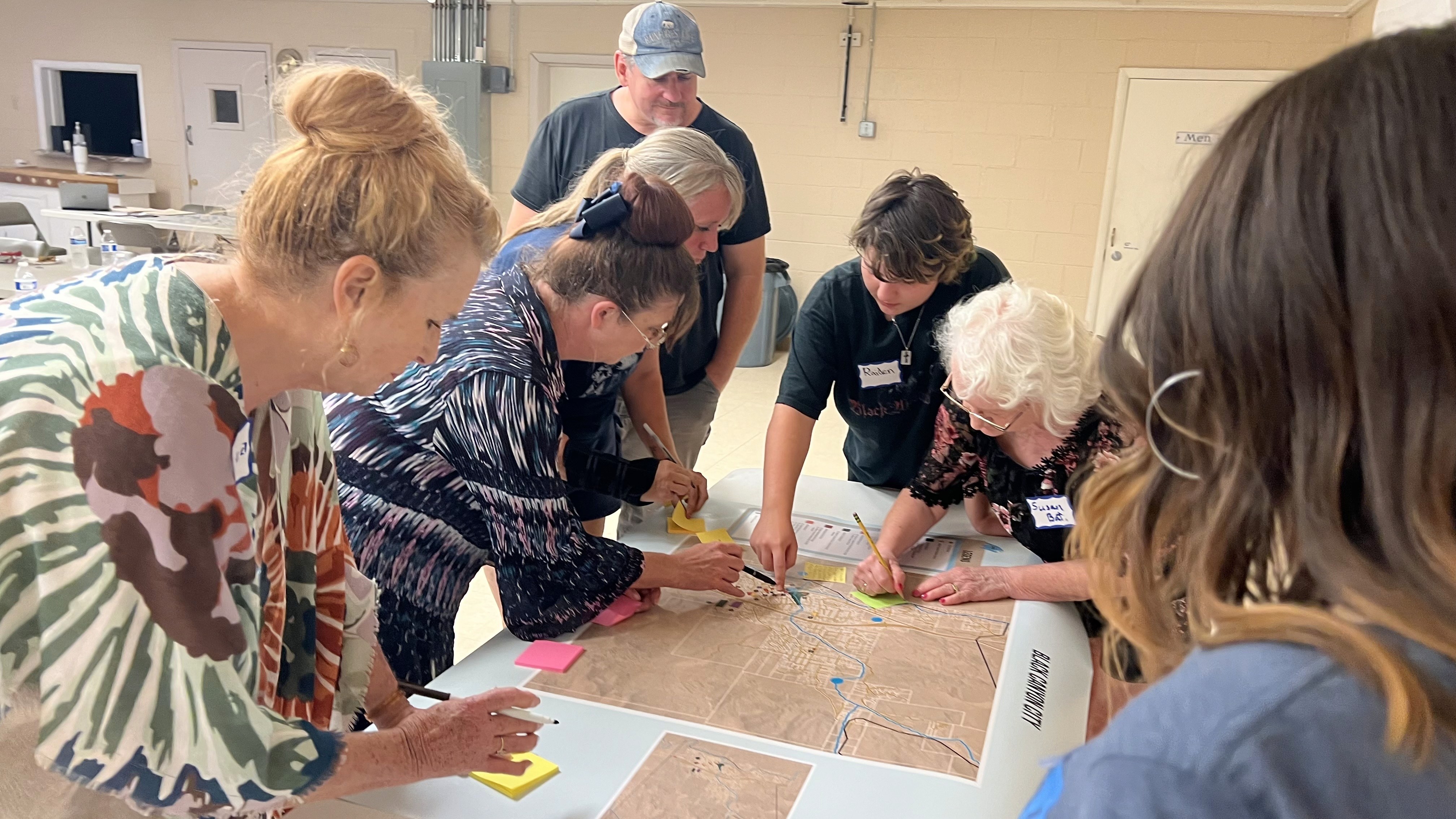
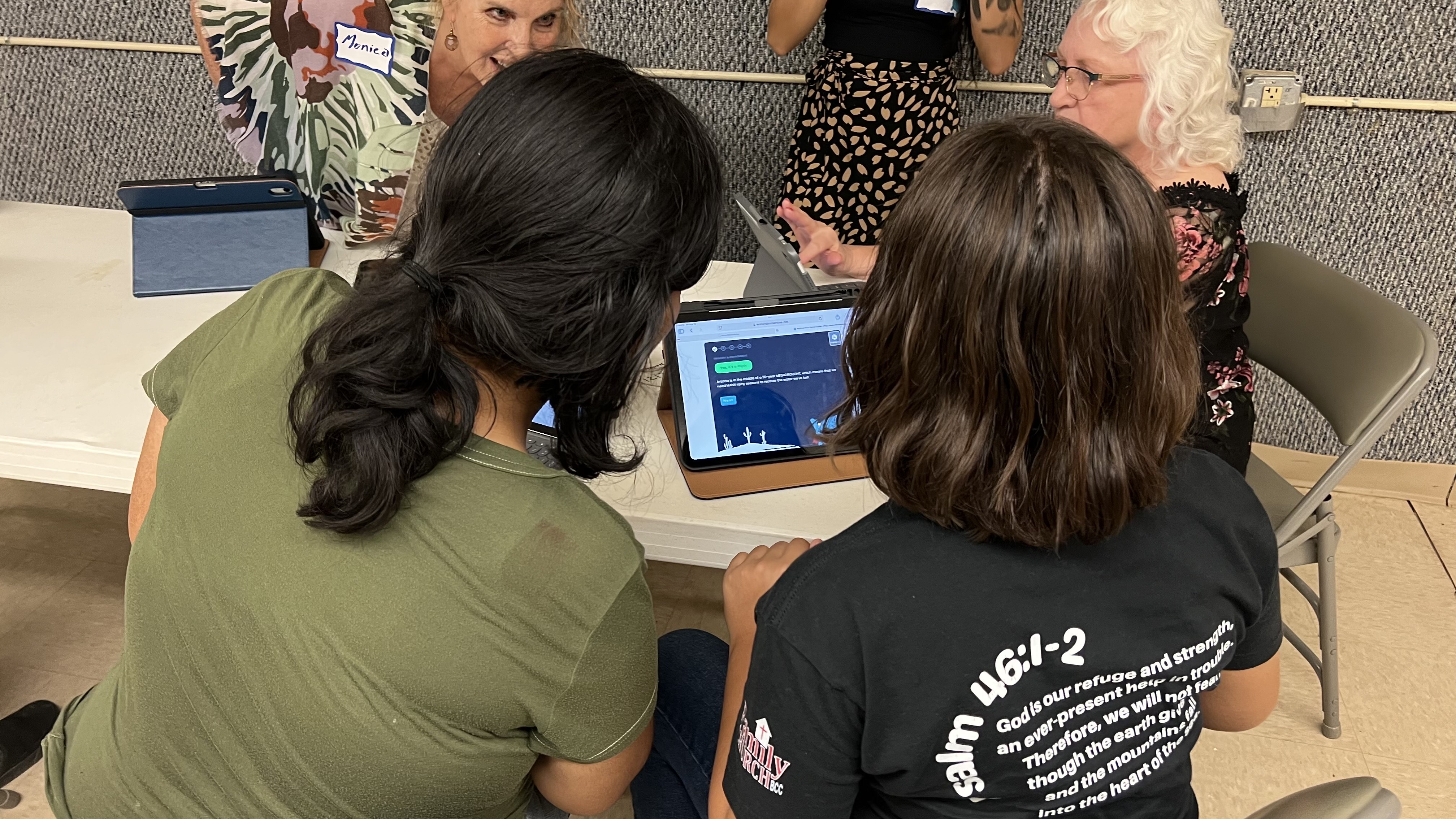
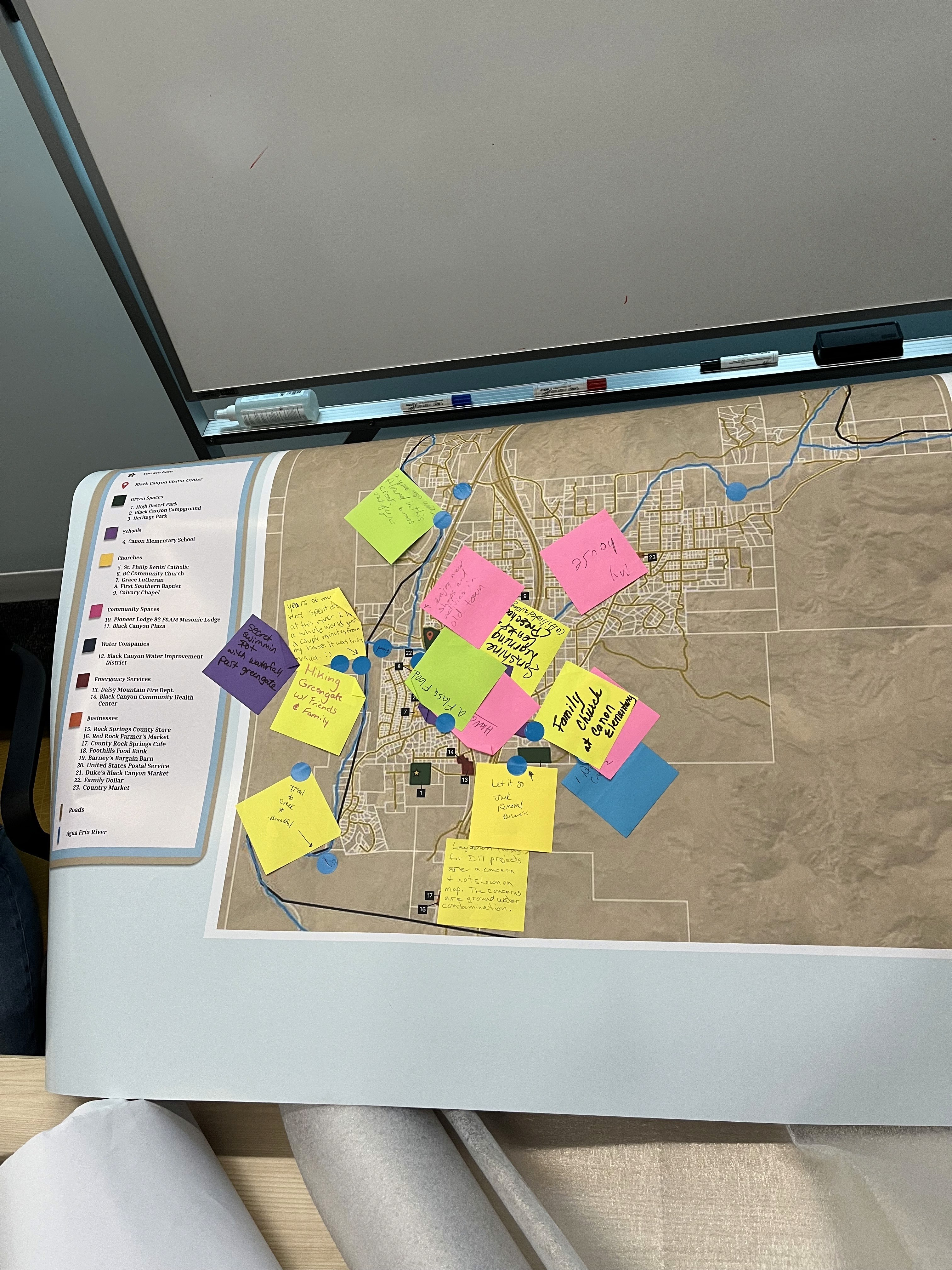
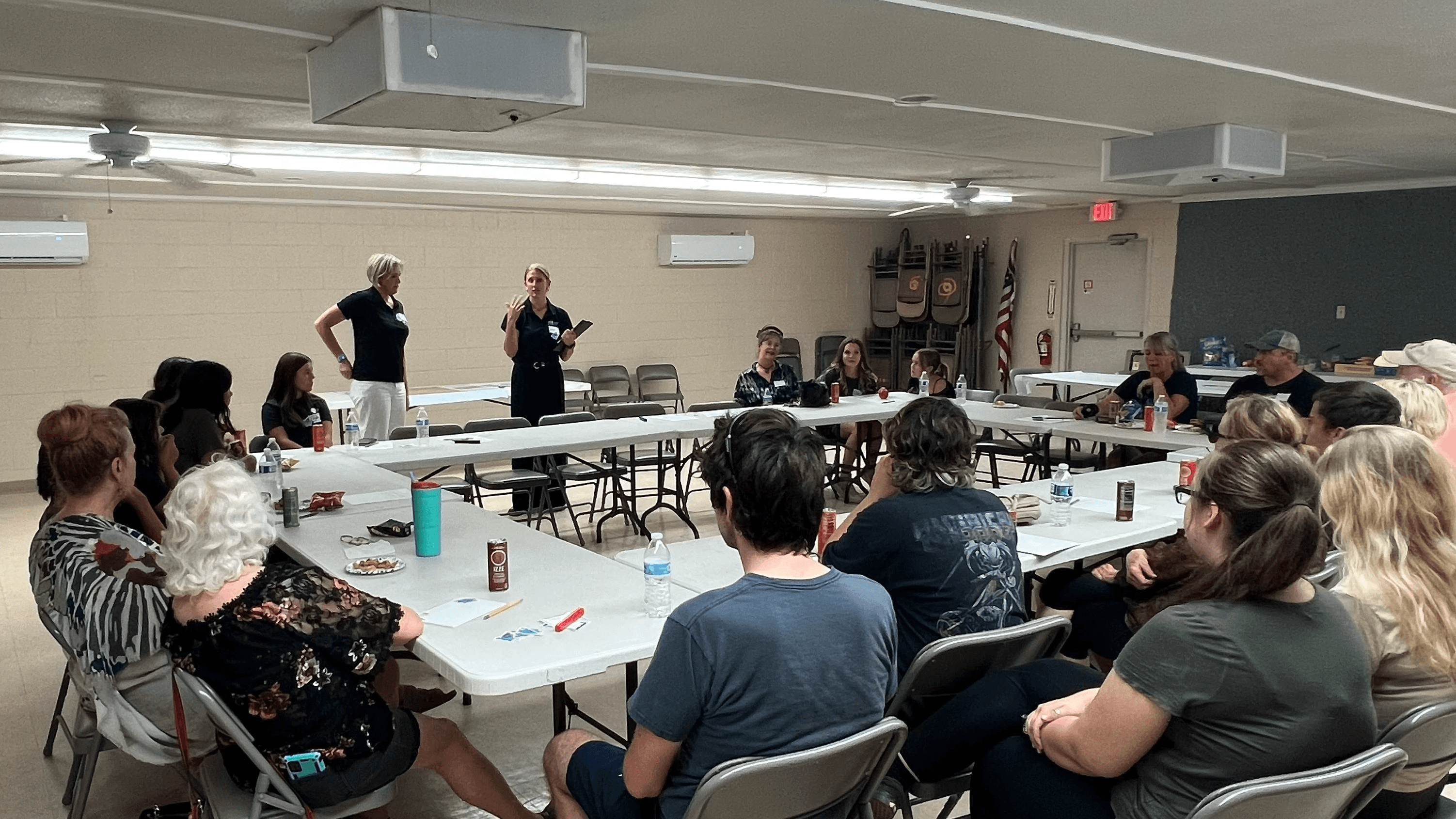
User research was conducted through moderated interviews and focus-group sessions with Black Canyon City residents to understand how community members perceive groundwater and local water systems. Participants engaged with groundwater and conservation concepts through multiple modalities, including illustrated explanations, immersive VR experiences, and a conversational water chatbot allowing us to evaluate comprehension across different learning styles.
REAL-WORLD CONSTRAINTS
Traveling exhibit with variable room sizes and layouts
Mixed audiences (K–12 students, adults, educators)
Limited time-on-task and group-based movement
Accessibility challenges (height, reading ability, tech hesitation)
NDA constraints on select government-facing materials
EARLY CONCEPT EXPLORATION
Sketches and spatial studies explored how scale, layering, and narrative flow could support learning across physical and digital touchpoints.


OUTCOMES & IMPACT
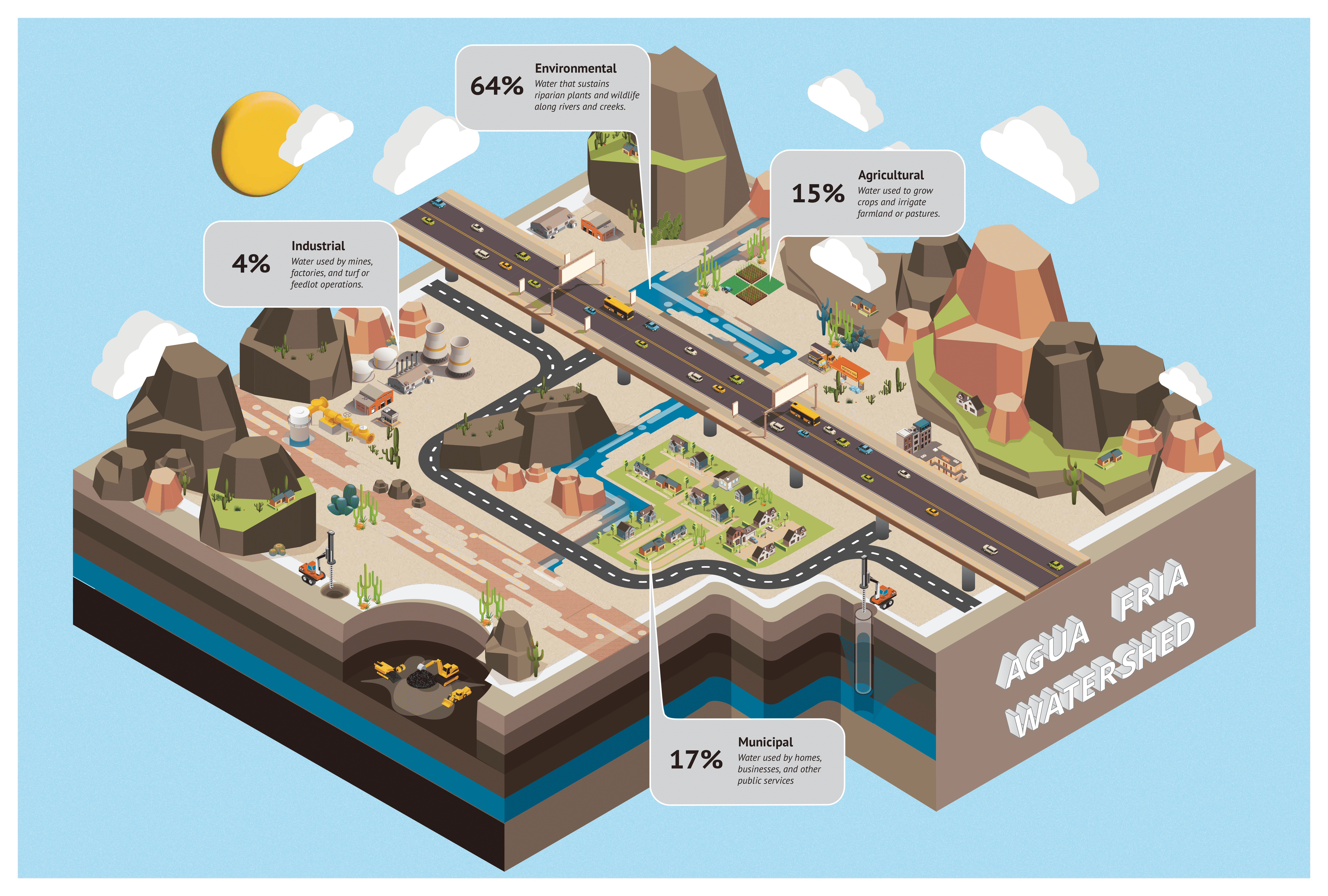
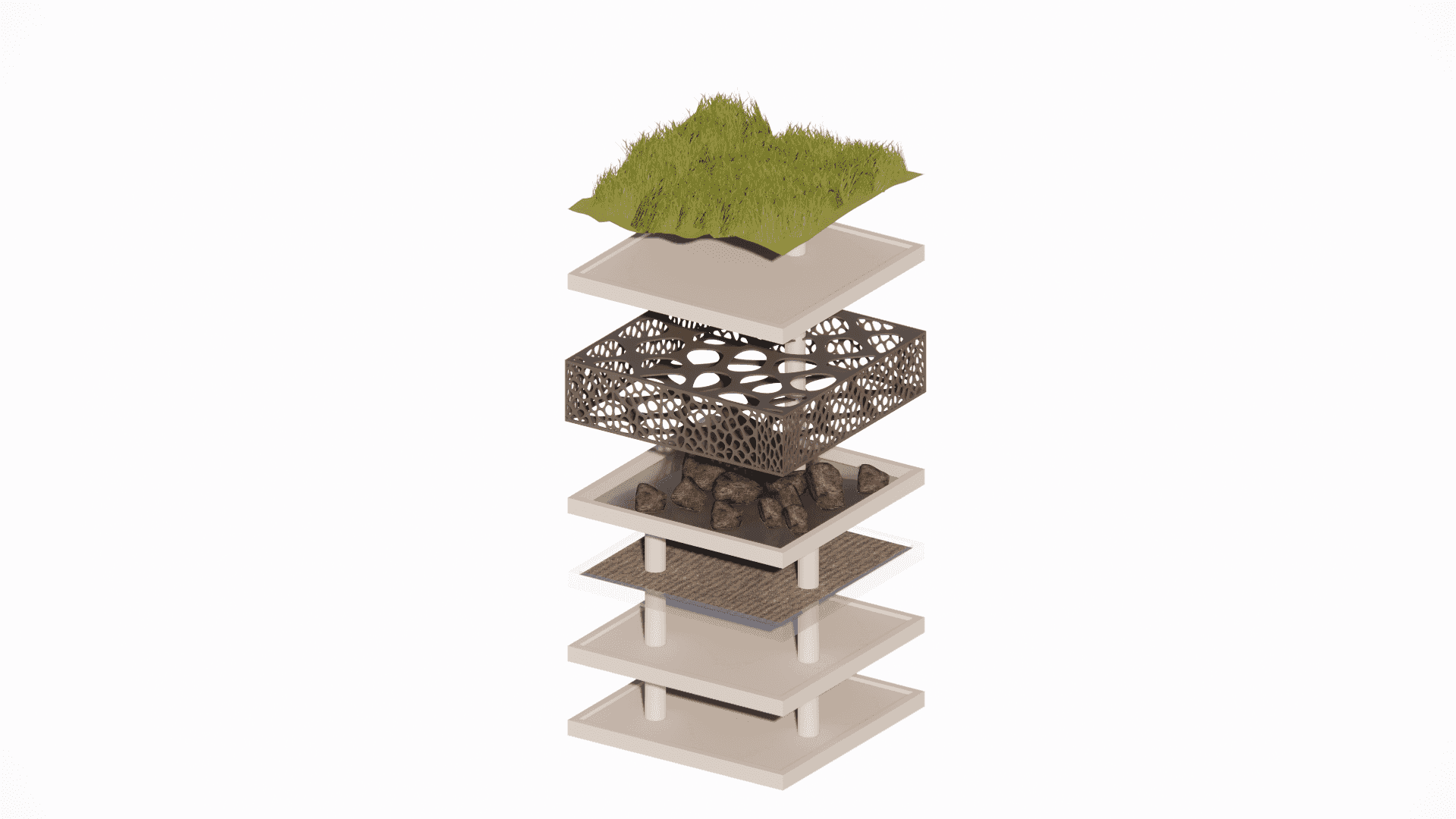
Made underground water systems tangible through a 3D exploded aquifer model
Increased trust and relevance by grounding visuals in local geography
Supported progressive learning through layered, modular infographics
Reduced intimidation around complex topics with calm, accessible visual language
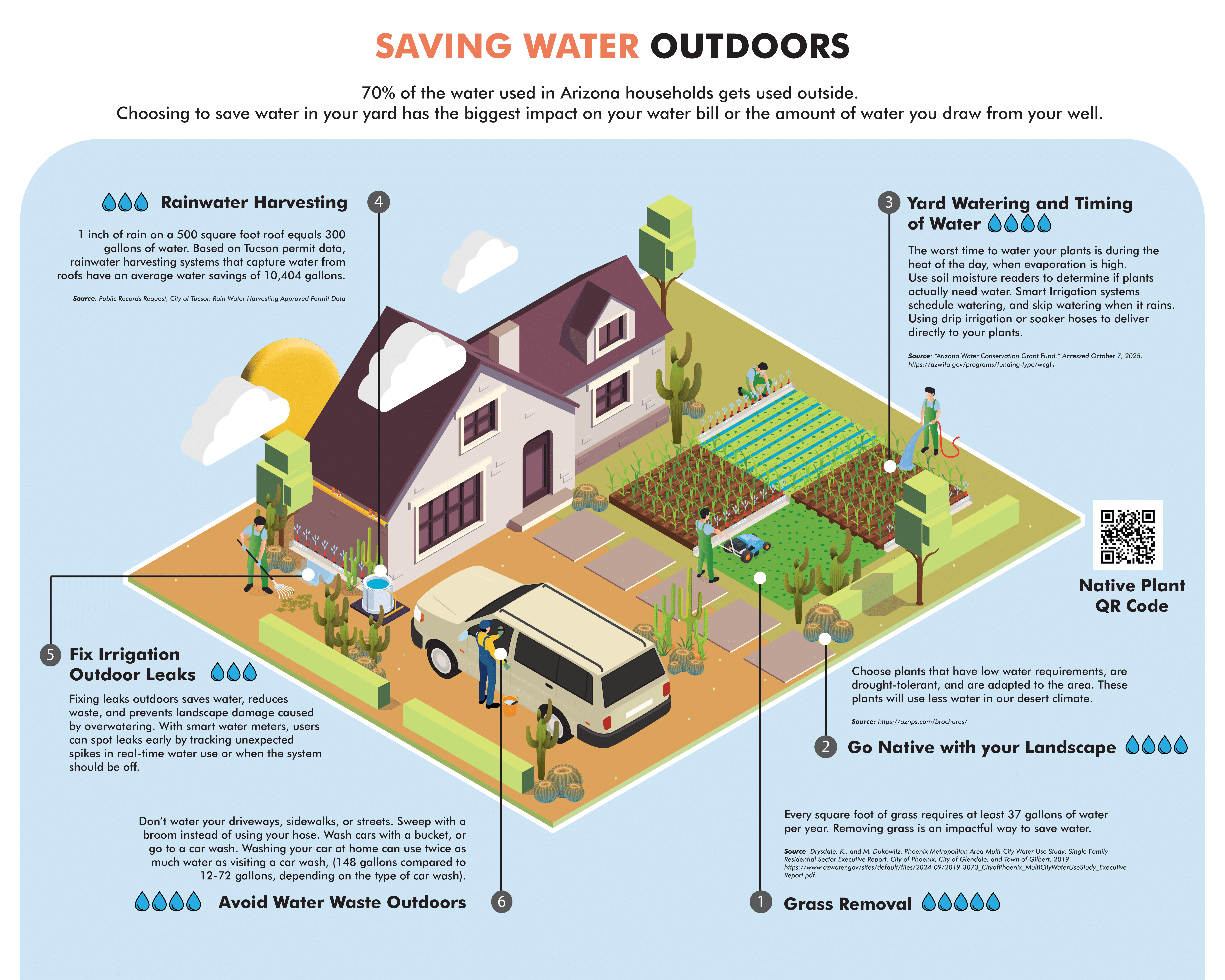
Encouraged conservation behaviors through clear, action-oriented messaging
Agua Fria Watershed Isometric Mural

Indoor water-saving posters
Outdoor water-saving posters
EXHIBIT USABILITY OBSERVATIONS
High-engagement technologies (VR, motion-based games) created traffic bottlenecks when placed near entrances
Large-scale, animated installations drew social attention but competed with adjacent content
Users hesitated to interact with unfamiliar technology without explicit permission cues
Dense text reduced approachability; larger typography increased engagement across ages
Writing-based activities were avoided when spaces felt crowded or transitional
DESIGN ITERATIONS
Increased text scale on water-saving displays to reduce intimidation for younger users
Adjusted signage language to remove obligation-heavy terms and increase participation
Supported spatial adjustments to redistribute attention across the exhibit
REFLECTION
Designing for physical, public environments reinforced that usability extends beyond screens. Observing how people move, hesitate, and gather revealed insights that no wireframe or prototype could surface alone.