INTRODUCTION
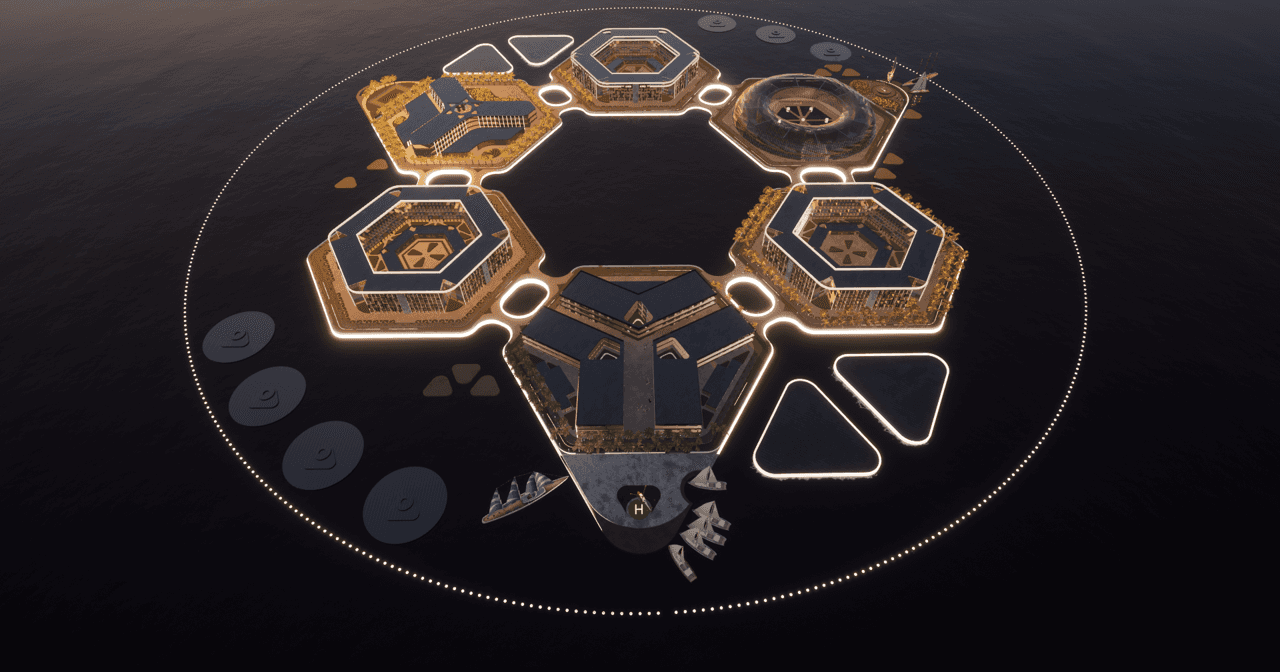
Aquapolis is a prototype for climate-resilient, self-sufficient floating habitats envisioned as an alternative to land-based coastal development in cities vulnerable to sea-level rise, such as Mumbai. Rather than treating rising sea levels as a constraint to be defended against, Aquapolis reframes water as a design medium: proposing a modular, floating metropolis that adapts to environmental change instead of resisting it.
MY ROLE
Lead Designer & Systems Thinker
TIMELINE
1 year
THE TEAM
Individual project (Undergraduate Architecture Thesis)
TOOLS USED
AutoCAD, Revit, SketchUp, Enscape, Twinmotion, Adobe Photoshop, Illustrator
PROJECT BACKGROUND
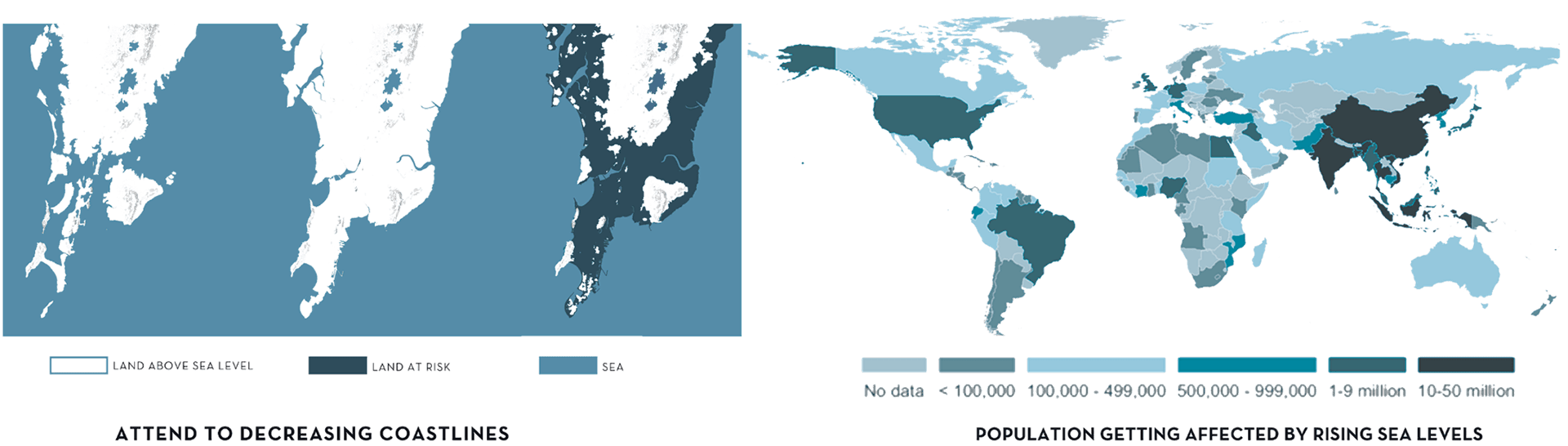
Sea-level rise is no longer a distant threat—it is an active condition reshaping coastlines, infrastructure, and livelihoods. Cities like Mumbai face increasing risks of flooding, land subsidence, and displacement.
Why this matters?: Aquapolis explores how architecture and urban systems can move beyond reactive mitigation and instead propose adaptive, future-oriented living models. While floating settlements have existed historically, modern advancements in materials, modular construction, and clean energy enable new possibilities at an urban scale.
This thesis allowed me to investigate how design can operate as both infrastructure and policy conversation—bridging environmental urgency with spatial innovation.
WHAT I SET OUT TO LEARN
The brief was to explore alternative urban typologies capable of responding to long-term climate challenges.
Designing a floating city resilient to sea-level rise
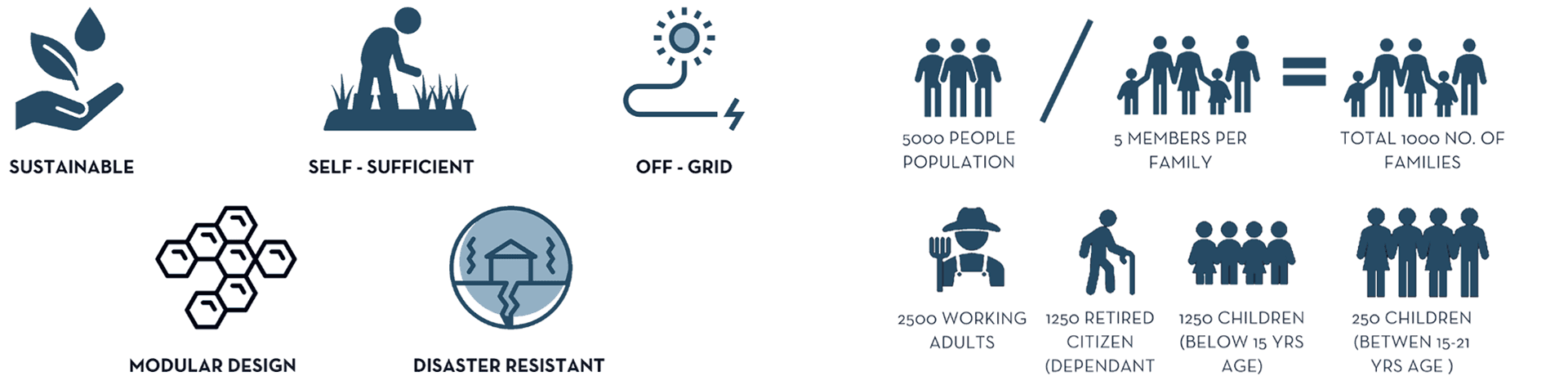
Ensuring energy, food, and water self-sufficiency
Creating a modular system adaptable to growth and change
Maintaining livability, community, and urban diversity
CONCEPT
The new idea is to realize a very large floating structure which is as big as a city. The objective is to build a fully modular metropolis that is robust to rise in sea level, adaptable, sustainable, and customizable.
WHY do we need Aquapolis ?

WHY to build on water?
How to build on water ?

What is Aquapolis ?
DESIGN
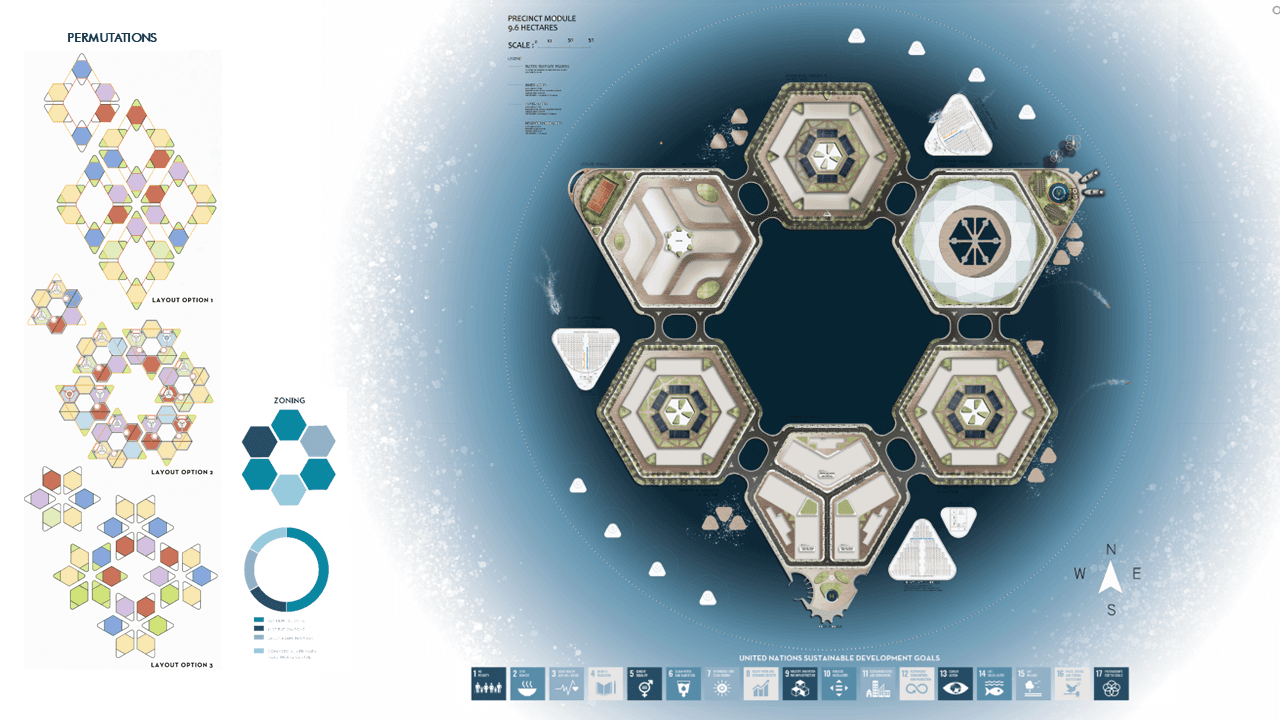
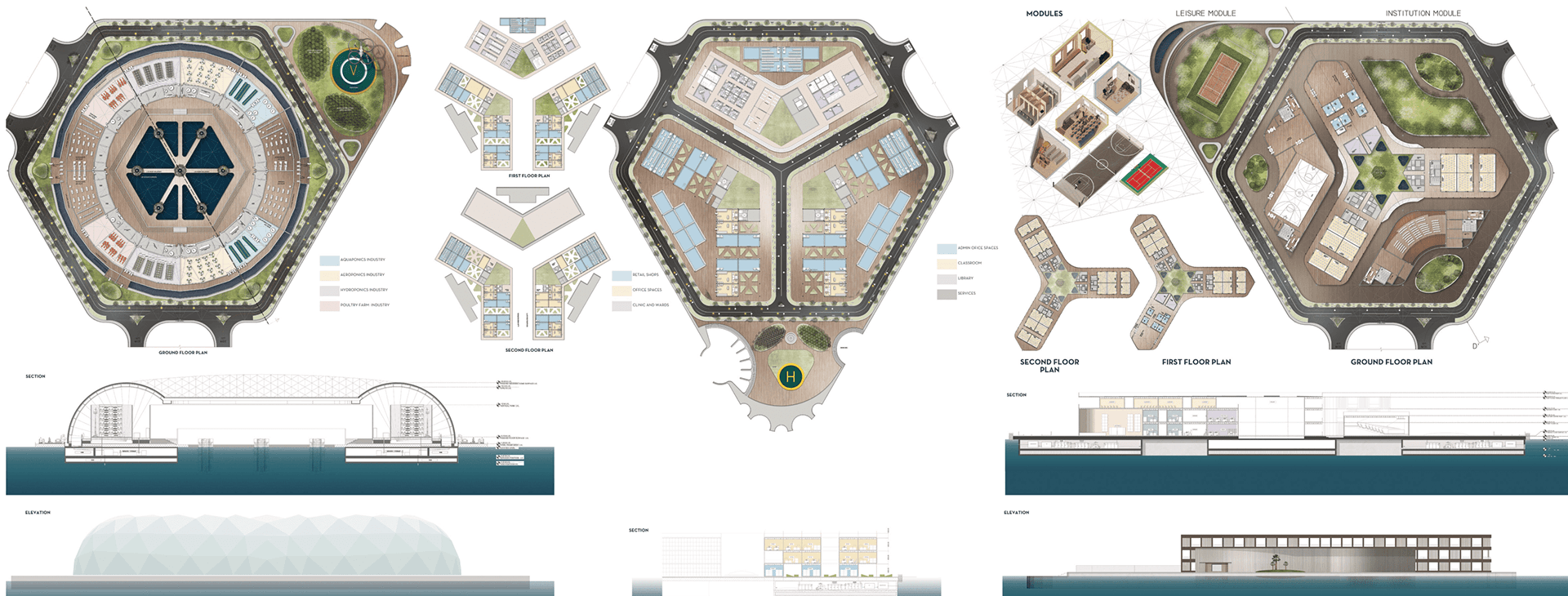
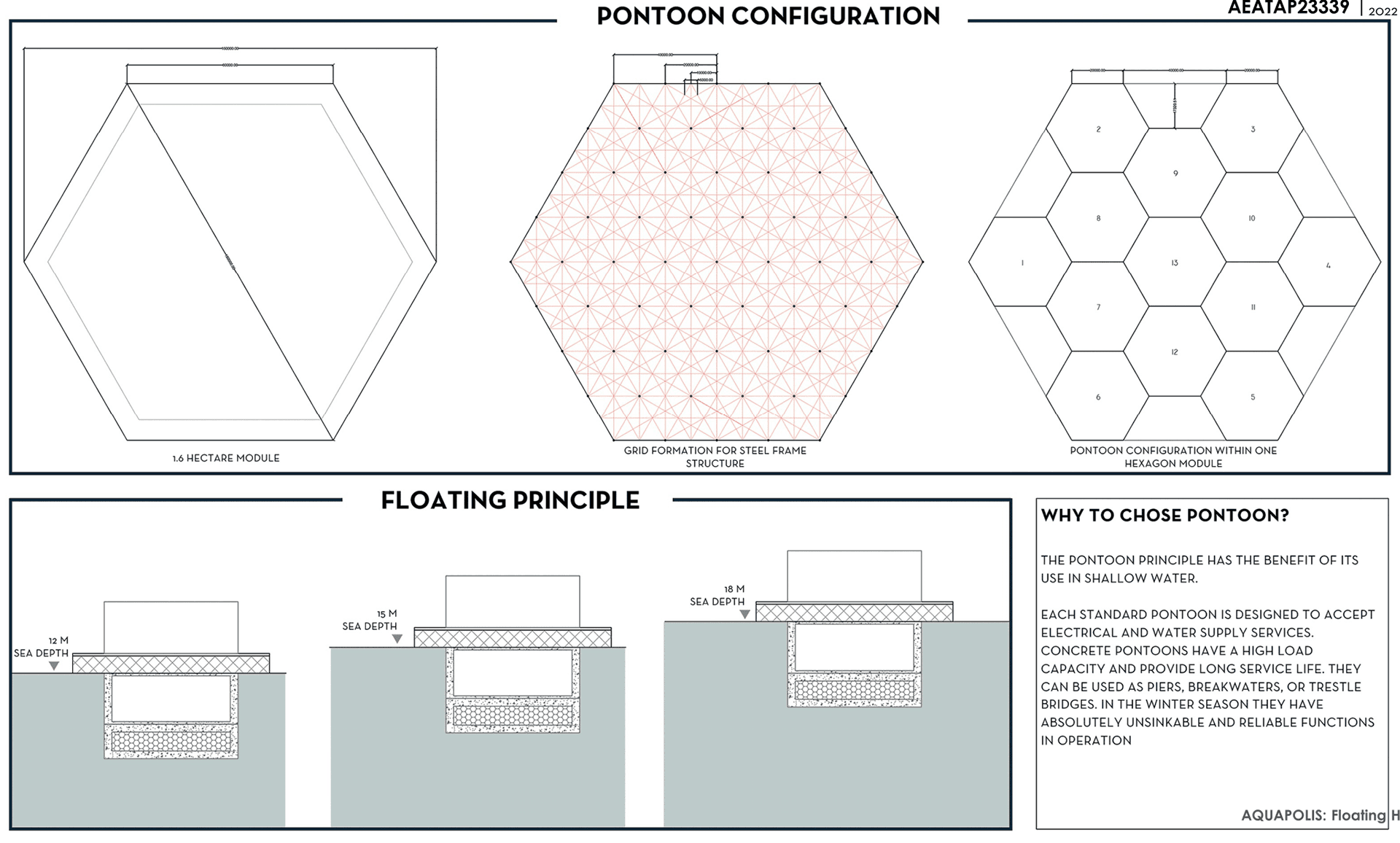
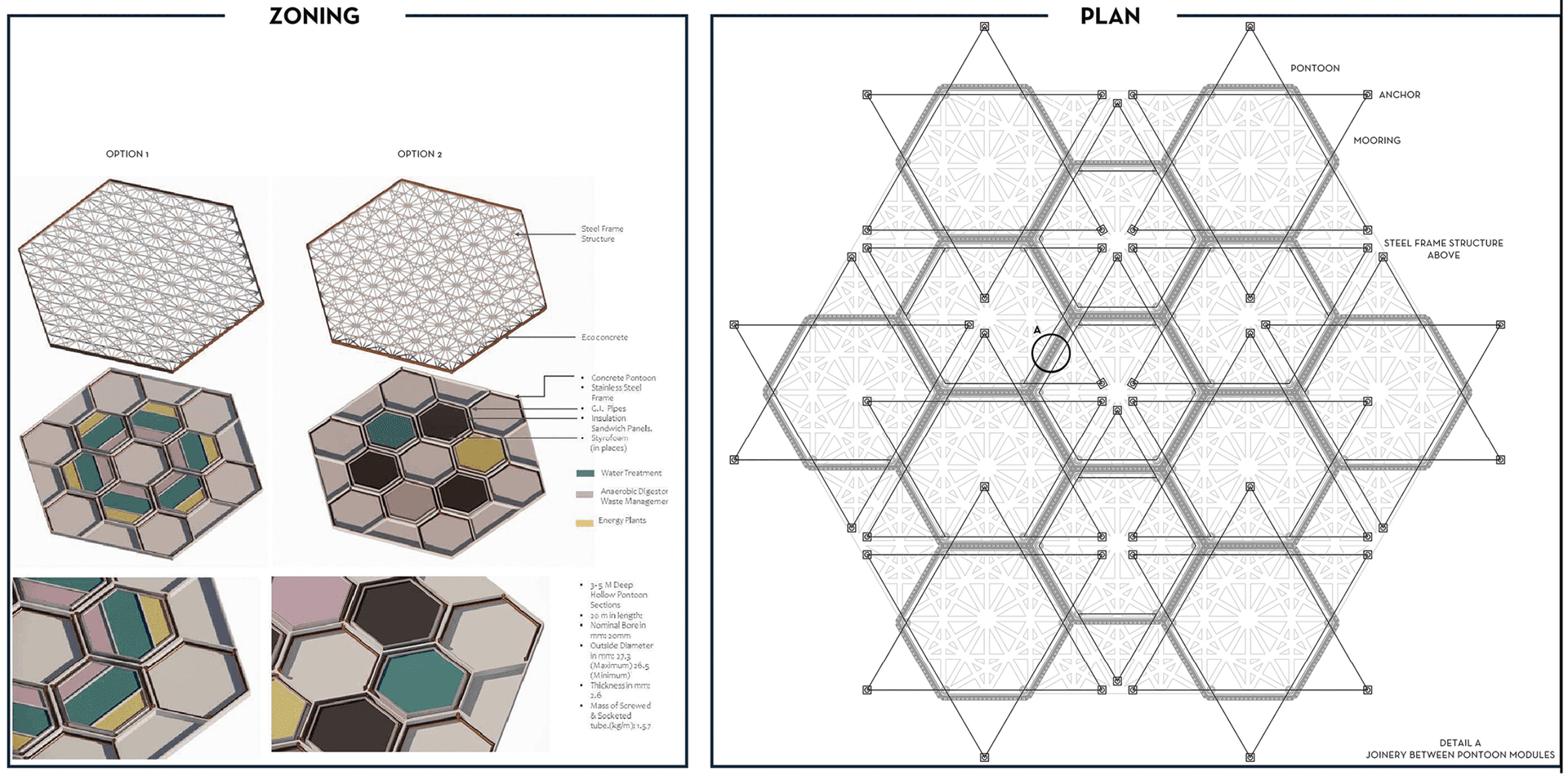
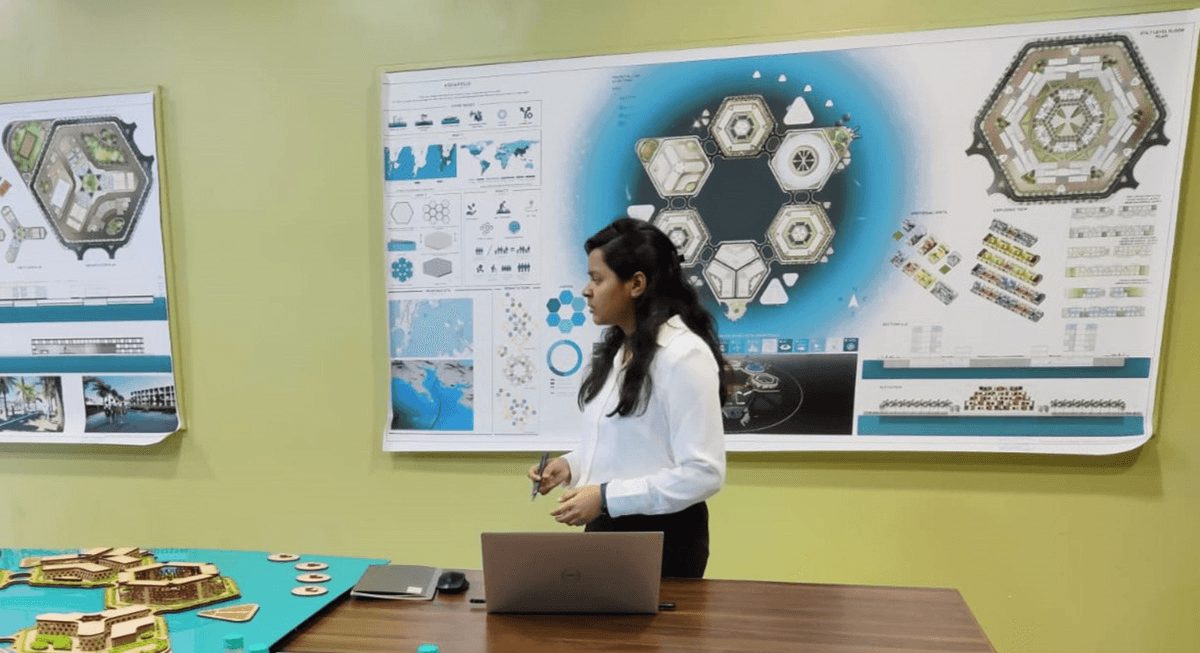
Site Plan of the 10 Hectare module consisting of 6 hexagonal module - namely 3 residential modules, 1 institutional, 1 commercial and 1 aquafarming based industrial module - of 1.6 hectare area each.
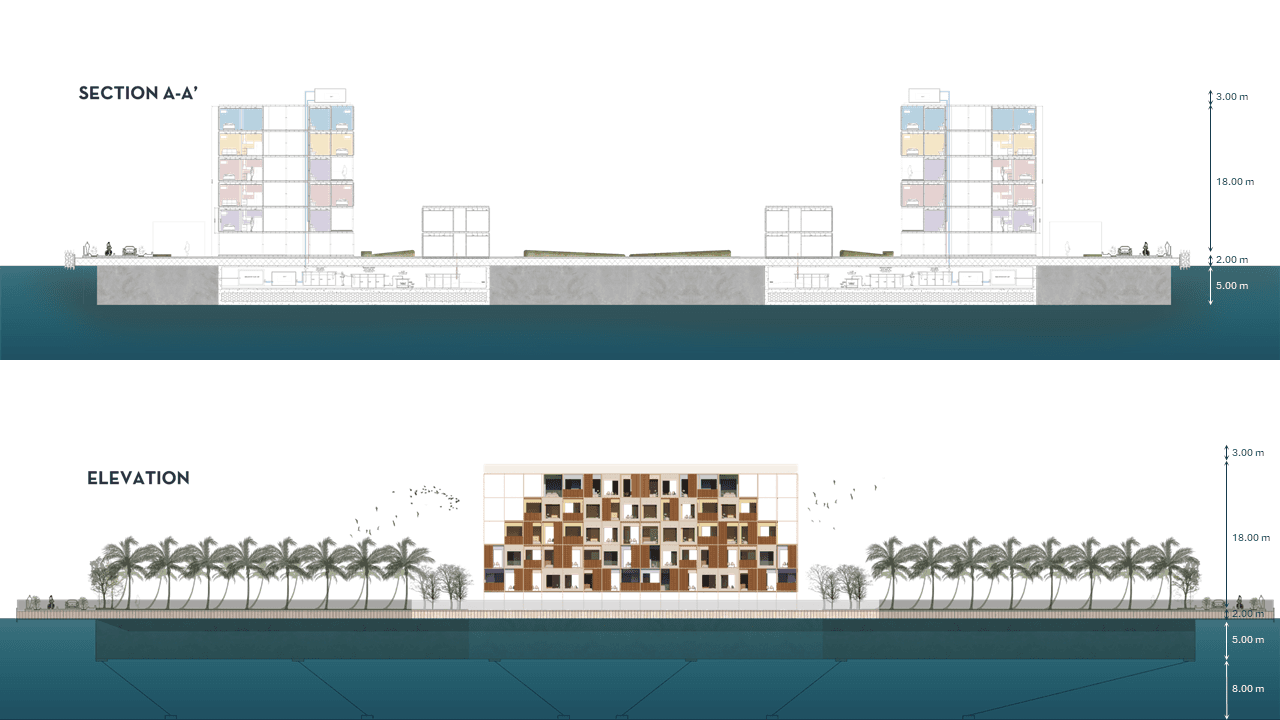
Section and elevation of Residential Module
Plan, Section and elevation of Aqua-farming Industrial, commercial and institutional modules respectively. (from left to right)
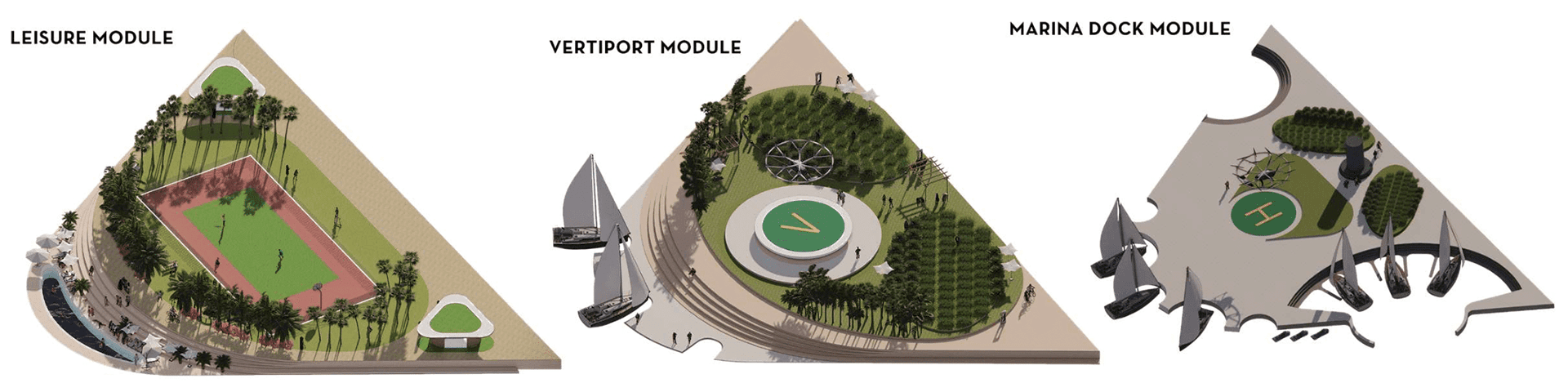
Tripod Modules
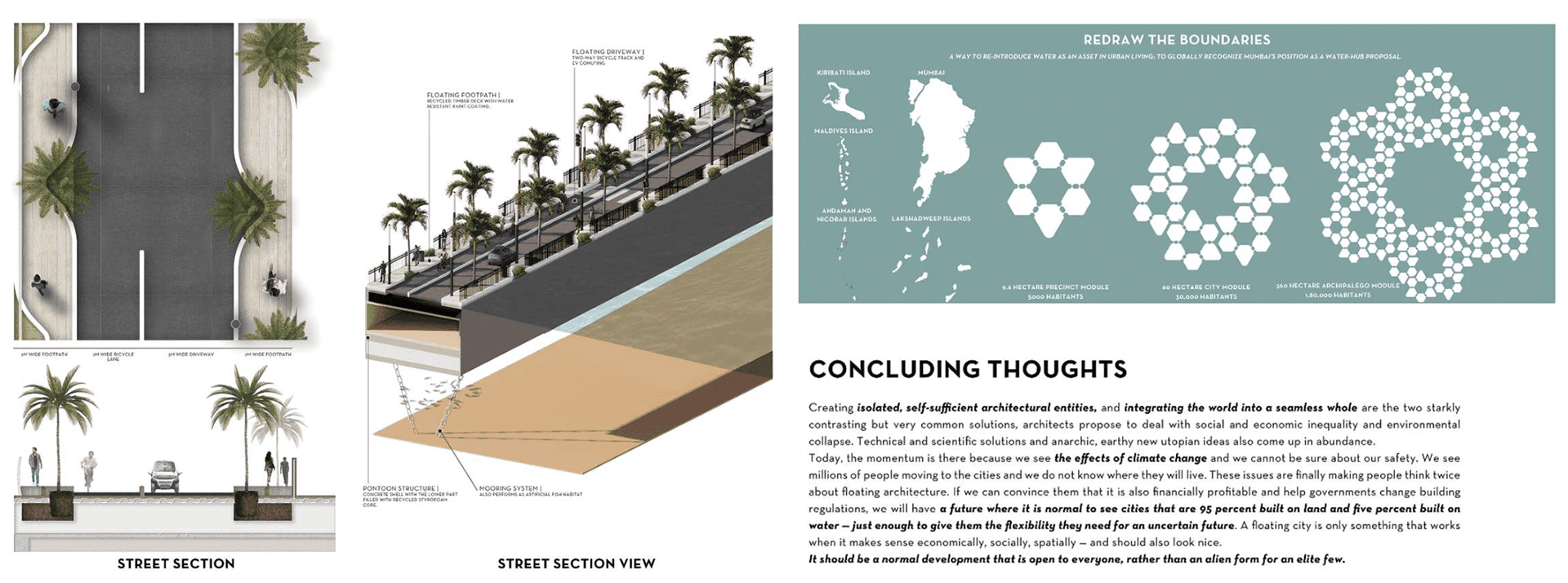
Street Details
Prototype multiplication on a global level to address global climate change issues.
TECHNICAL DETAILS
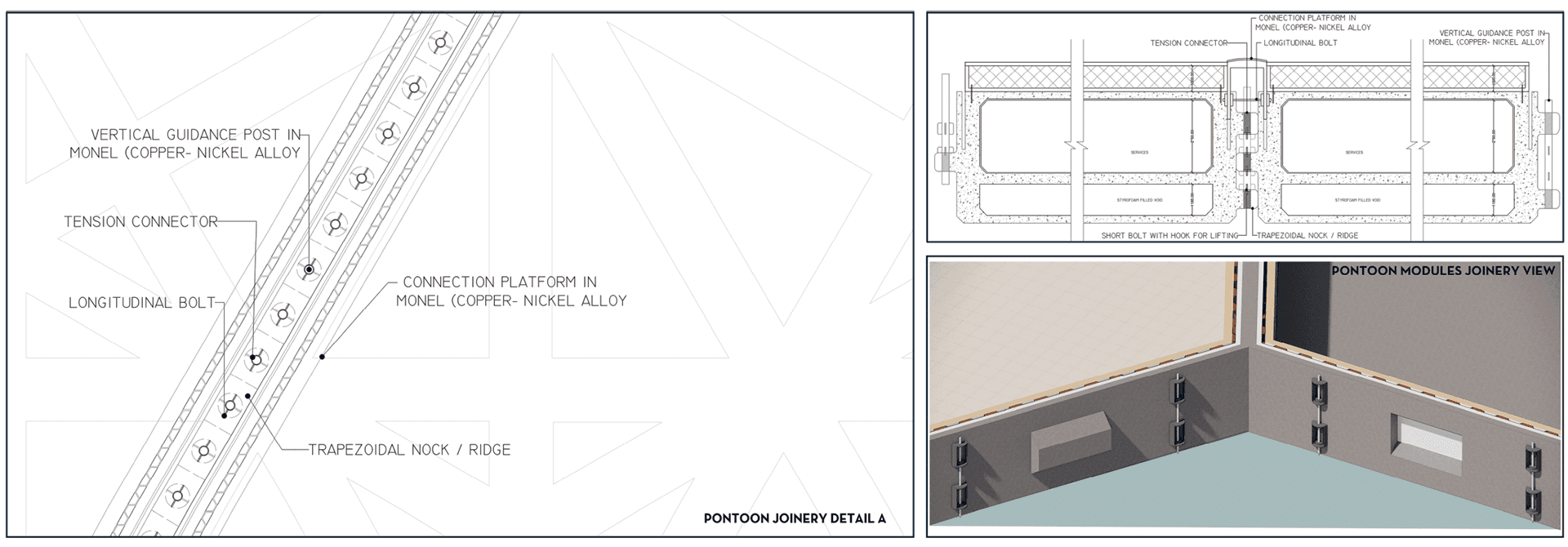
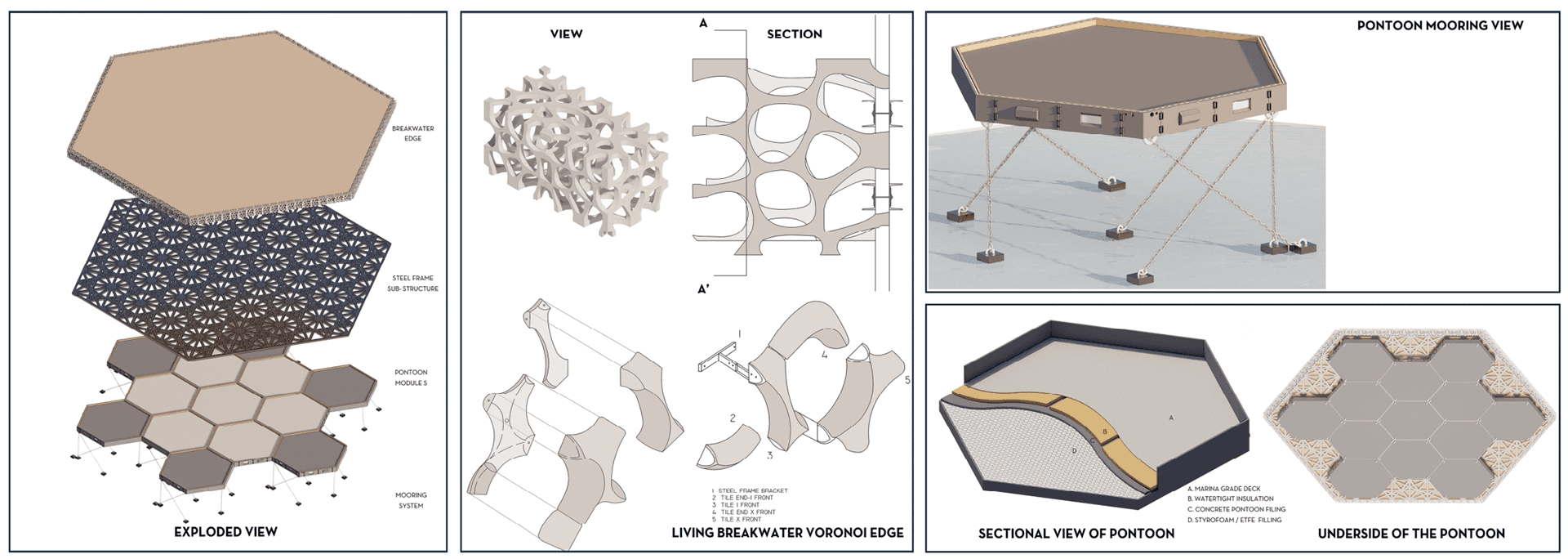
Pontoon Details
RENDERINGS
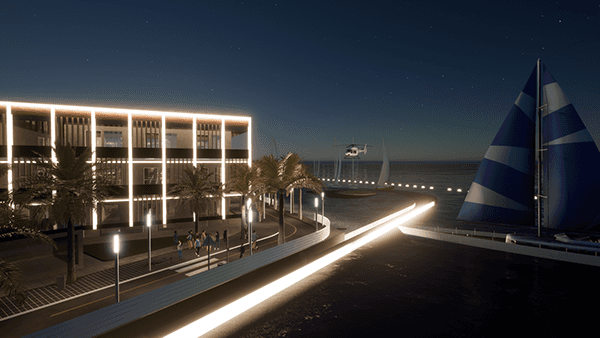
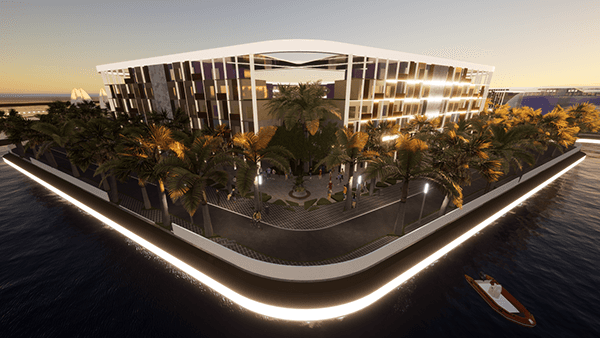
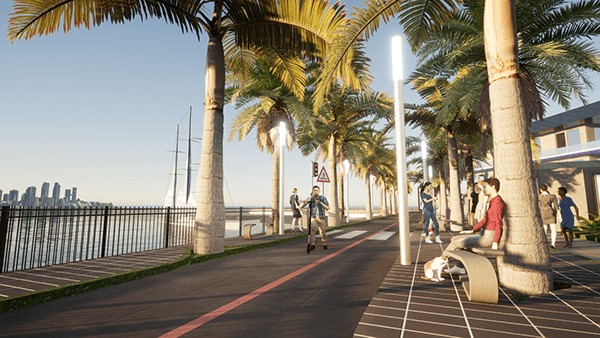
RENDERINGS
KEY LEARNINGS & TAKEAWAYS
Innovative Design Solutions - The project highlighted the necessity for innovative and adaptive design solutions to address the challenges posed by rising sea levels. The exploration and implementation of a floating precinct showcased the potential for unconventional approaches in mitigating the impact of climate change.
Climate Resilience - The focus on a floating precinct underscored the importance of developing climate-resilient infrastructure. The project's key takeaway involves understanding and incorporating design elements that can withstand and adapt to changing environmental conditions, providing a sustainable solution for coastal regions.
Policy Implications- The project likely brought attention to the importance of supportive policies and regulations in fostering the development of climate-resilient infrastructure. Identifying and advocating for 13 sustainable building policies that encourage sustainable design and adaptation strategies is a critical aspect of addressing global climate change.
Education and Awareness- A floating precinct project can serve as an educational tool to raise awareness about the impacts of climate change and potential solutions. The key takeaway involves the role of such projects in educating the public, policymakers, and stakeholders about the urgency of addressing rising sea levels and the importance of resilient design.
WHAT I’D DO NEXT
If this project were taken forward, I would:
Collaborate with engineers and environmental scientists to validate structural systems
Explore phased implementation strategies for real-world adoption
Study social dynamics and governance models within floating communities
Adapt the system for different coastal cities globally
This would shift Aquapolis from a thesis proposal toward a viable climate-adaptation framework.